Waste is one of those things that seems manageable right up until there’s a lot of it. A few boxes aren’t a problem. A couple of broken chairs? Still easy. But start tearing out a kitchen, renovating an office, clearing a warehouse, or demolishing part of a building, and suddenly the waste has taken over.
That’s why planning disposal before the work begins can save a surprising amount of trouble. A properly sized dumpster gives workers somewhere to put unwanted material as they go, instead of creating piles that have to be moved again later. It keeps the site more organized, reduces unnecessary trips, and makes the final cleanup far less overwhelming.
Why Waste Planning Should Start Early
Many projects treat waste removal as something that happens after the important work is finished. In reality, disposal should be considered before demolition or cleanup starts. For additional context, see Keeping Your Water Treatment System Working at Its Best.
During a renovation, construction debris can appear almost immediately. Old drywall comes down, flooring gets removed, cabinets are pulled out, and packaging from new materials begins accumulating.
If there isn’t a designated place for those materials, they tend to end up wherever there’s an empty corner.
That creates more work. Someone eventually has to gather everything, move it again, load a vehicle, and take it somewhere for disposal.
A dumpster changes that routine. Waste can go directly into the container, keeping the active work area clearer from the beginning.
Construction Debris Isn’t Always Easy to Handle
Construction waste comes in all shapes and sizes.
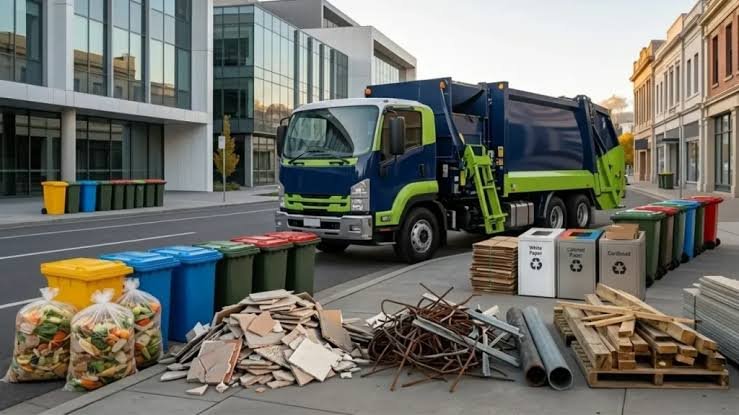
There may be lightweight cardboard and insulation alongside heavy lumber, broken tile, drywall, metal, or other demolition materials. Bulky items can consume space quickly, while dense materials can create weight problems.
Before renting, think about what the project will actually produce. A bathroom renovation will generate different waste than a full building demolition.
If you’re unsure, explain the project to the dumpster provider. Tell them what you’re removing, how large the area is, and whether demolition is involved.
A little detail upfront can help you avoid choosing a container that’s either too small or unnecessarily large.
Commercial Waste Requires Extra Organization
Businesses often generate waste at a faster rate than households.
An office renovation might produce old desks, chairs, carpeting, partitions, cardboard, and fixtures. A retail remodel could involve shelving, displays, packaging, and damaged materials. Warehouses can create even larger volumes during cleanouts or restructuring.
Managing commercial waste effectively is important because the disposal process shouldn’t interfere with normal business operations.
The dumpster should be accessible to employees and contractors but positioned somewhere that doesn’t block customers, loading areas, emergency access, or delivery routes. A useful related perspective is Creating a Healthier Home Begins With the Air You Breathe.
For larger businesses, it may also be worth creating simple waste-handling guidelines so everyone knows what belongs in the container and what needs separate disposal.
Choosing the Right Dumpster Size
Dumpster capacity is usually measured in cubic yards.
Smaller containers can be suitable for basic cleanouts, while larger options are designed for significant renovations, demolition, and commercial projects.
One common mistake is choosing based on the first day of work. Don’t do that.
Consider the entire project. If you’re removing flooring, cabinets, drywall, fixtures, and furniture, the amount of waste can grow quickly.
Bulky materials are particularly deceptive. A few large cabinets can take up more space than several bags of ordinary rubbish.
If you’re uncertain about the right size, describe the job to the rental company and ask for a recommendation.
Don’t Forget About Weight Limits
A dumpster can look half empty and still be too heavy.
Concrete, brick, dirt, asphalt, tile, and roofing materials can add significant weight. If your project includes these materials, ask about weight limits before ordering.
Find out how much weight is included in the rental and whether additional charges apply if you exceed the allowance.
This is especially important for demolition projects. Heavy waste can accumulate much faster than expected.
Knowing the rules before loading begins is far better than discovering a weight-related charge at the end.
Where Should the Dumpster Go?
Placement affects both convenience and safety. You may also find What’s Really in Your Water? Understanding Common Water Quality Concerns helpful.
The delivery truck needs enough space to approach the property and position the container. Check for low branches, overhead wires, gates, fences, parked cars, and narrow entrances.
The ground should be stable and reasonably level.
For a commercial site, think about traffic flow. You don’t want a dumpster blocking a loading dock or forcing customers to navigate around a work area.
For residential projects, a driveway is often convenient, but make sure there’s enough room for delivery and eventual pickup.
Scheduled Pickup Keeps Projects Moving
Once the work is finished, the last thing you want is a full dumpster sitting around indefinitely.
A scheduled pickup helps you plan the final stage of the project and get the space back as quickly as possible.
Before renting, ask how pickup works. Some companies schedule collection automatically, while others ask customers to call when the container is ready.
If your project is running late, communicate early. If you’ve finished sooner than expected, ask whether early pickup is possible.
It’s also important to keep the area around the dumpster clear. A truck can’t remove a container if a vehicle or pile of materials is blocking access.
Know What Can Go Inside
Dumpster rules vary between providers.
Common materials such as wood, cardboard, drywall, furniture, flooring, carpeting, and general construction waste are often accepted. However, chemicals, batteries, tires, certain electronics, hazardous substances, and other regulated materials may be prohibited.
Don’t assume that something can be thrown away simply because it fits inside the dumpster.
Ask for a list of prohibited materials before the project begins. If multiple workers are involved, share those rules with everyone. For a closer look at this topic, read How Better Water Management Can Reduce Costs and Daily Hassles.
That simple step can prevent rejected loads and unnecessary delays.
Load the Container Properly
How you fill a dumpster can affect how much you get from it.
Break down large boxes and bulky furniture when possible. Place heavier materials toward the bottom and spread them throughout the container.
Never allow debris to extend above the permitted fill line. Overloaded containers can be dangerous during transportation and may need to be corrected before pickup.
For demolition work, proper protective equipment matters too. Gloves, sturdy shoes, and eye protection are useful when handling nails, broken glass, metal, and other sharp materials.
Keep the Rental Flexible
Projects rarely finish exactly when expected.
A renovation may uncover unexpected damage. A commercial cleanout can reveal another storage area nobody remembered. Weather can also delay outdoor work.
Ask about the standard rental period before booking and find out whether additional days are available.
Understanding extension policies gives you some breathing room and prevents you from rushing the final cleanup just because the original rental period is ending.
Good Waste Management Makes a Noticeable Difference
Nobody gets excited about waste disposal. Yet when it’s handled properly, it can make an entire project feel easier.
The key is simple planning. Estimate the volume of waste, choose an appropriate dumpster, understand weight limits, prepare the delivery area, follow disposal rules, and arrange pickup around the project schedule.
Whether you’re managing a renovation, clearing a commercial property, or handling a large construction job, keeping waste contained means fewer distractions and a safer, more organized work area.
The dust and noise may still be unavoidable. The occasional unexpected problem probably is, too. Related coverage: Choosing the Right Water Filtration System for Your Home Without Feeling Overwhelmed.
But once the final piece of debris goes into the dumpster and the container disappears, you can finally see what all that hard work was for. And that’s a pretty good feeling.