Buying a water filtration system sounds simple until you actually start looking at the choices. Suddenly there are membranes, stages, storage tanks, flow rates, filter cartridges, remineralization options, and enough technical language to make you wonder if all you wanted was a decent glass of water.
It’s easy to get caught up in the idea of finding the best reverse osmosis system. But here’s the thing: “best” doesn’t mean exactly the same thing for every household.
A family with five people may need something very different from a couple living in a small apartment. Someone with well water may have different concerns than a homeowner using treated municipal water. Even two homes on the same street can have different plumbing conditions. For additional context, see Best Movers in Taman Melawati and Ampang: A Complete Guide to Stress-Free Relocation.
So rather than chasing a universal winner, it makes more sense to understand what reverse osmosis does, what to look for, and how to choose a system that fits your actual water needs.
What Makes Reverse Osmosis Different?
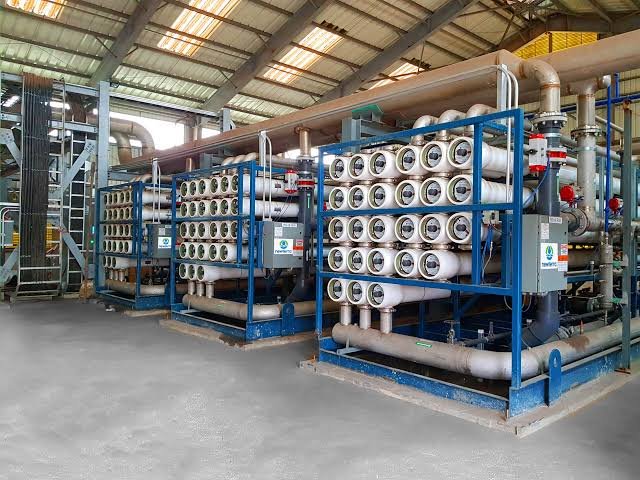
Reverse osmosis, commonly called RO, is a water treatment process that uses pressure to push water through a semipermeable membrane. The membrane allows water molecules to pass while reducing many dissolved substances and impurities.
Most residential RO systems don’t rely on the membrane alone. They typically use several stages of treatment. A pre-filter may remove sediment and protect later components, while a carbon filter can address certain taste- and odor-related substances. The RO membrane then performs the primary separation, followed by additional filtration in some systems.
The exact setup varies, and that matters.
A five-stage system isn’t automatically better than a four-stage system simply because the number is larger. What matters is what each stage is designed to accomplish and whether those functions are relevant to your water.
That’s why looking at the actual specifications is much more useful than simply counting stages.
Start With a Water Test
Before buying equipment, find out what you’re dealing with.
A water test can provide valuable information about the characteristics of your supply and help identify which treatment technologies may be appropriate. If you’re using private well water, testing can be particularly important because conditions can vary over time.
Taste and appearance can provide clues, but they don’t tell the whole story. Clear water isn’t necessarily proof that everything is perfect, just as cloudy water isn’t automatically evidence of a dangerous problem.
Testing gives you something better than guesswork.
Once you understand the water, you can compare systems based on what they are actually designed to reduce. This approach also prevents spending money on features that don’t provide much value for your particular situation.
Look Beyond the Number of Filtration Stages
Water treatment marketing can make “more stages” sound like the ultimate goal. A useful related perspective is Why Understanding Your Water Quality Matters More Than You Think.
It isn’t.
A well-designed system with fewer stages can outperform a poorly matched system with more. The quality and purpose of the filters matter, as does the RO membrane, water pressure, system capacity, and maintenance schedule.
For example, if sediment is a concern, an effective pre-filter is important because it can protect the membrane from unnecessary wear. If taste and odor are an issue, carbon filtration may have an important role.
The point is to look at the complete treatment process rather than one impressive number on a product box.
Features That Can Make Everyday Use Easier
Modern RO systems can include some genuinely useful unique features, but it’s worth separating practical improvements from features that simply sound impressive.
Automatic shutoff is a good example. It can help prevent unnecessary water production when the storage tank is full. Leak detection can provide another layer of protection, particularly for systems installed under a kitchen sink where a small leak can quickly become an annoying mess.
Some systems include filter-change indicators, pressure monitoring, or dedicated faucets with more convenient controls. Others offer remineralization stages designed to add selected minerals back into treated water.
These aren’t mandatory features. Their value depends on your preferences and circumstances.
Think about how you’ll actually use the system. If you don’t want to remember filter replacement dates, a useful indicator might be worth paying for. If space beneath your sink is limited, a compact design may matter more than an extra filtration stage.
Good equipment should make your routine easier, not more complicated.
Consider Water Production and Household Size
One detail that sometimes gets overlooked is how much treated water the system can produce.
A small household may have no trouble keeping up with an average countertop or under-sink system. A larger family, however, may use significantly more drinking and cooking water throughout the day.
Look at the system’s rated production and storage capacity, but don’t assume the advertised number tells the complete story. Actual performance can depend on water pressure, temperature, membrane condition, and other factors. You may also find Finding the Right Water Treatment System for Your Home or Office helpful.
If the system produces treated water slowly, a storage tank can help make water available when you need it.
This is especially useful during busy mornings. Nobody wants to discover that the drinking-water tank is empty just when everyone is rushing out the door.
Maintenance Is More Important Than the Sales Pitch
A reverse osmosis system can be excellent equipment, but it still needs care.
Filters eventually become saturated or less effective. RO membranes also have service intervals. How often components need replacement depends on water quality, household consumption, and the particular system.
Before purchasing, find out what replacement filters cost and how easy they are to obtain.
This is one of those boring details that becomes very important later.
A system may look affordable when you buy it, but expensive proprietary filters can change the long-term cost. On the other hand, a slightly more expensive system with easily available replacement parts might prove more convenient over several years.
Ask about maintenance requirements, too. Some homeowners are perfectly comfortable replacing filters themselves. Others would rather have a professional handle servicing.
Neither approach is wrong. The right choice is the one you’ll actually keep up with.
Think About Installation Before You Buy
Under-sink RO systems need adequate space, connections, drainage, and usually a dedicated drinking-water faucet. Some kitchens have plenty of room beneath the cabinet. Others already have cleaning supplies, bins, pipes, and enough clutter to qualify as a small storage unit.
Measure the available space before ordering.
It sounds obvious, yet it’s surprisingly easy to forget. For a closer look at this topic, read What Your Water Is Really Telling You: Testing, Treatment, and Smarter Choices.
Also consider water pressure. RO systems generally need sufficient pressure to operate effectively, and homes with lower pressure may require additional equipment or a different setup.
Professional installation can be worthwhile if you’re unsure about plumbing connections or want the system checked properly from the beginning.
Customization Can Be Useful When It Solves a Real Need
Every household has slightly different priorities, which is why a customizable water treatment setup can sometimes be more practical than a rigid package.
Perhaps you want additional carbon filtration because taste is your biggest complaint. Maybe remineralization is important to you. Another homeowner might prioritize compact equipment or a larger storage capacity.
Customization should still be sensible, though.
Adding every available option simply because you can isn’t necessarily a smart investment. Start with the water conditions and your household requirements, then build from there.
The goal is not to create the most complicated system in the neighborhood. It’s to create one that works well and remains manageable.
Making the Final Decision
Choosing an RO system becomes much easier when you stop looking for a magical “perfect” product and start looking for the right match.
Test the water. Understand your household’s usage. Compare membrane quality, filtration stages, production capacity, maintenance costs, installation requirements, and useful features. Think about what you’ll need five years from now, not just what looks attractive today.
And don’t be afraid to ask questions before buying. A reputable water treatment professional should be able to explain what a system does without drowning you in technical jargon.
At the end of the day, a good reverse osmosis system should quietly become part of your routine. You fill a glass. You cook dinner. You refill your bottle before heading out.
No fuss, no constant second-guessing. Related coverage: Finding Reliable Plumbing Help When You Need It Most.
That’s really what good water treatment is about—not owning the most complicated equipment, but having a system that fits your home, your water, and the way you actually live.