There was a time when owning a car felt like a milestone — almost a rite of passage. You saved, planned, maybe even stretched your budget a little, and finally got the keys. But lately, things feel… different. The idea of owning a car isn’t as sacred as it used to be, especially in urban India where flexibility is starting to matter more than possession.
Car subscription services have quietly entered this space. You pay a monthly fee, drive the car, and skip the headaches of ownership — or at least, that’s the pitch. Sounds convenient, right? But convenience often comes with trade-offs. So the real question is: does this model actually make sense in the long run?
What Exactly Is a Car Subscription?
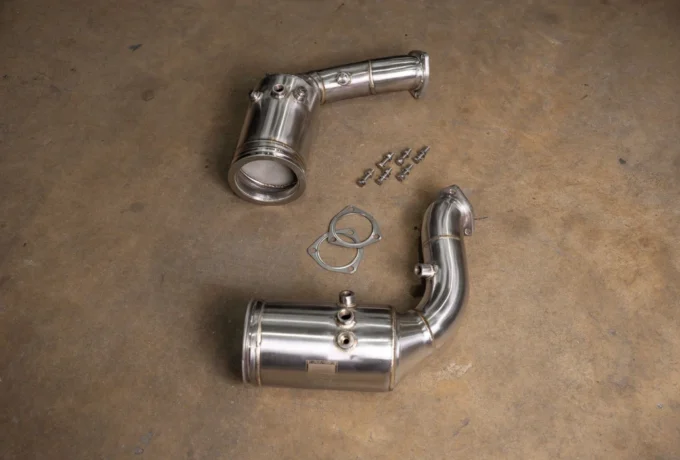
At its core, a car subscription is pretty straightforward. You choose a car, pay a fixed monthly fee, and drive it for a flexible duration — usually anywhere from a few months to a couple of years. That fee typically includes insurance, maintenance, and sometimes even roadside assistance. For additional context, see Audi RSQ8 SQ7 Downpipes and Complete Downpipe System for BMW M5 G90 / G99 Touring.
No down payment. No resale worries. No dealing with service centers every few months.
Platforms like Zoomcar, Revv, and even OEM-backed services have made this model more accessible in India. It’s almost like Netflix… but for cars.
The Appeal: Why People Are Considering It
Let’s be honest — the biggest attraction here is simplicity. You don’t need to worry about depreciation, resale value, or long-term commitment. For someone who shifts cities often or just doesn’t want to be tied down, that’s a big deal.
Another underrated benefit? Trying different cars. You’re not stuck with one vehicle for 5–7 years. If your needs change — say, from a compact hatchback to a bigger SUV — you can switch.
For many urban professionals, especially younger buyers, this flexibility feels refreshing. Almost liberating.
The Cost Factor: Where It Gets Complicated
Here’s where things get a bit tricky.
At first glance, subscription plans seem affordable. But if you stretch the timeline and calculate the total cost over, say, 3–5 years, the numbers start to look… less friendly. A useful related perspective is The Real Cost of Owning a Used Luxury Car in India (It’s More Than Just the Price Tag).
You’re essentially paying for convenience. And convenience, as always, comes at a premium.
If you compare it with buying a car via EMI, ownership often turns out cheaper in the long run. With a subscription, you don’t build any asset. Once you stop paying, you walk away with nothing — no resale value, no ownership.
That’s not necessarily bad, but it’s something people often overlook.
Lifestyle Fit: Not One-Size-Fits-All
The practicality of subscriptions really depends on your lifestyle.
If you’re someone who:
- Moves cities frequently
- Doesn’t want long-term financial commitments
- Prefers hassle-free usage over ownership
…then subscriptions can actually make a lot of sense.
But if you’re planning to stay in one place for years, drive regularly, and eventually own something of your own — the equation changes.
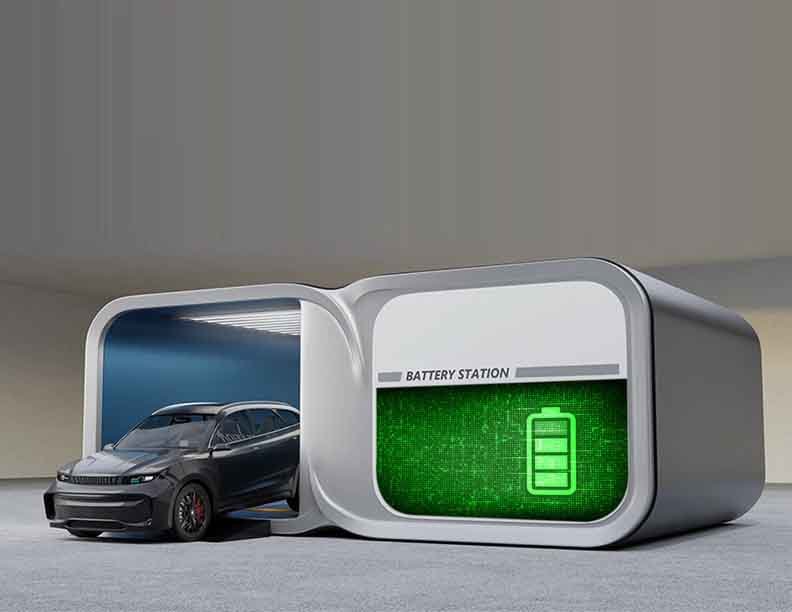
This is where the debate around Car subscription services India me kitne practical hai long-term ke liye becomes more nuanced. It’s not just about money; it’s about how you live and what you value. You may also find Battery Swapping vs Fast Charging: Which Path Feels More Future-Ready? helpful.
Hidden Limitations You Should Know
Now, here’s the part that doesn’t always show up in ads.
Most subscription plans come with mileage limits. Exceed those, and you pay extra. Want to cancel early? There might be penalties. Planning a long road trip? You’ll need to check restrictions.
And while maintenance is included, you’re still responsible for keeping the car in good condition. Any damages? That’s on you.
It’s not exactly a “no-strings-attached” deal — just fewer strings compared to ownership.
Emotional Side: Ownership Still Matters
There’s also something emotional about owning a car that subscriptions can’t quite replace.
The first scratch, the long drives, the road trips with friends — over time, the car becomes more than just a machine. It becomes yours. That sense of attachment? Hard to replicate when you know you’ll return the vehicle in a few months.
For some people, that doesn’t matter. For others, it’s everything. For a closer look at this topic, read Why You Feel Tired All the Time Even When You Sleep Enough.
So, Is It Worth It?
If you’re looking at this purely from a financial lens, car subscriptions usually don’t win over the long term. Ownership, despite its hassles, tends to be more economical.
But life isn’t always about spreadsheets.
If flexibility, convenience, and zero long-term commitment matter more to you than cost savings, then subscriptions can be a smart choice — at least for a certain phase of life.
Think of it less as a replacement for ownership and more as an alternative for specific situations.
Final Thoughts
Car subscriptions in India are still evolving. They’re not perfect, and they’re definitely not for everyone. But they do reflect a shift in how people think about mobility — less about owning, more about using.
Maybe that’s where things are heading.
Or maybe, a few years down the line, we’ll circle back to ownership again. Hard to say. Related coverage: Bangalore Moves: Flyover Standoffs, Fickle Skies and a Pressure Cooker With History.
For now, it’s about choosing what fits your life today, not what looks good on paper.