The idea of working from a beach in Goa one month and a quiet hill town the next has a certain charm to it. No fixed office, no daily commute, just a laptop and a stable internet connection—that’s the digital nomad dream most people imagine.
But when you bring that idea into the Indian context, things start to feel a little more complicated. Not impossible, just… layered. And maybe that’s what makes it worth exploring honestly, without the Instagram filter.
What the Digital Nomad Lifestyle Really Looks Like
At its core, being a digital nomad isn’t about traveling constantly. It’s about flexibility. You work remotely, earn online, and choose where you want to live—at least for a while. For additional context, see Trains or Flights in India: What Really Makes Sense for Your Journey?.
Some people move every few weeks. Others settle in one place for months. There’s no fixed rulebook.
But here’s what often gets missed: it still requires discipline. Deadlines don’t disappear just because you’re near the mountains. Clients don’t care if the Wi-Fi drops in the middle of a call.
Freedom sounds exciting. Responsibility quietly follows.
The Internet Question (Because It Matters More Than You Think)
Let’s talk about something practical—connectivity.
In metro cities, you’re mostly covered. Reliable broadband, decent mobile networks, co-working spaces—it’s manageable. But as you move toward more remote or scenic locations, things can get unpredictable.
You might find a beautiful place to stay, only to realize the internet barely holds up for video calls. And suddenly, that dream setup feels a bit stressful.
So, before choosing a location, checking connectivity isn’t optional—it’s essential.
Cost of Living: Surprisingly Flexible
One of the biggest advantages of trying this lifestyle in India is cost. A useful related perspective is The Quiet Side of the Mountains: Finding Hill Stations That Haven’t Been Overrun Yet.
Compared to many global digital nomad hubs, India can be relatively affordable. You can find decent accommodations, local food, and transportation options without burning through your savings.
But again, it depends on how you approach it. Staying in premium co-living spaces will cost more. Going local, renting longer-term, or choosing less touristy areas can significantly reduce expenses.
There’s room to adjust based on your budget.
Work Comes First (Even When Travel Feels Tempting)
This is where reality kicks in.
When you’re in a new place, there’s always something to explore—cafes, viewpoints, local markets. It’s easy to slip into “travel mode” and let work take a backseat.
But if your income depends on consistency, you’ll need boundaries. Work hours, routines, maybe even a dedicated workspace.
It’s not glamorous, but it keeps things sustainable.
The Question Most People Are Curious About
At some point, almost everyone considering this path asks, Digital nomad lifestyle India me possible hai ya nahi.
And the answer isn’t a simple yes or no. You may also find Romania Road Trip helpful.
It is possible—but it depends heavily on your work type, your ability to manage uncertainty, and how adaptable you are. It’s less about the country and more about your setup.
Best Places to Try This Lifestyle (At Least to Start)
Some places in India are naturally more suited for digital nomads.
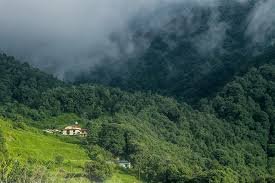
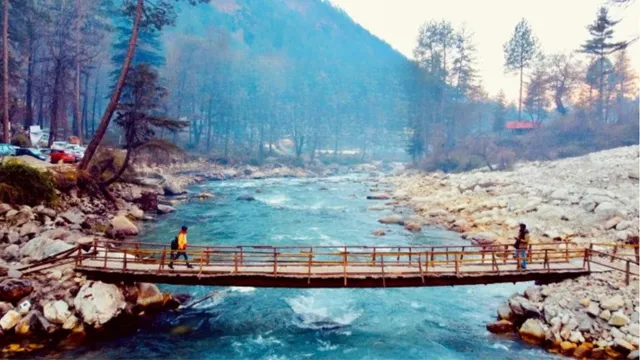
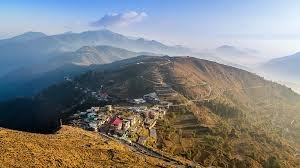
Goa is the obvious one—good internet, co-working spaces, and a community of remote workers. Then there are hill stations like Dharamshala, Manali, or Rishikesh, where you’ll find a mix of peaceful environments and decent infrastructure.
Even cities like Bangalore or Pune can work if you prefer an urban setup with occasional travel.
The key is to start somewhere manageable before experimenting further.
The Social Side (Or Lack of It)
One thing people don’t talk about enough is loneliness.
When you’re constantly moving, building long-term connections can be tricky. You meet people, spend a few days or weeks together, and then move on.
Some enjoy that freedom. Others start missing stability. For a closer look at this topic, read My First Trip To Israel.
Joining co-working spaces, attending local meetups, or even staying longer in one place can help. But it’s something to be aware of.
Legal and Work Considerations
If you’re working for an Indian company or running your own freelance business, things are relatively straightforward.
But if your income comes from international clients or companies, you might need to think about taxation, payment methods, and compliance.
It’s not overly complicated, but it’s worth understanding before you dive in.
Final Thoughts
The digital nomad lifestyle in India isn’t a fantasy—but it’s not effortless either.
It’s a mix of freedom and structure, adventure and routine. Some days feel incredible—working with a view you never imagined. Other days feel ordinary, even a bit chaotic.
And maybe that’s the point.
If you approach it with realistic expectations, a bit of planning, and a willingness to adapt, it can work. Not perfectly, not always smoothly—but genuinely. Related coverage: Exploring Havana.
And in a world where work and life are slowly blending together, that kind of flexibility might just be worth exploring.