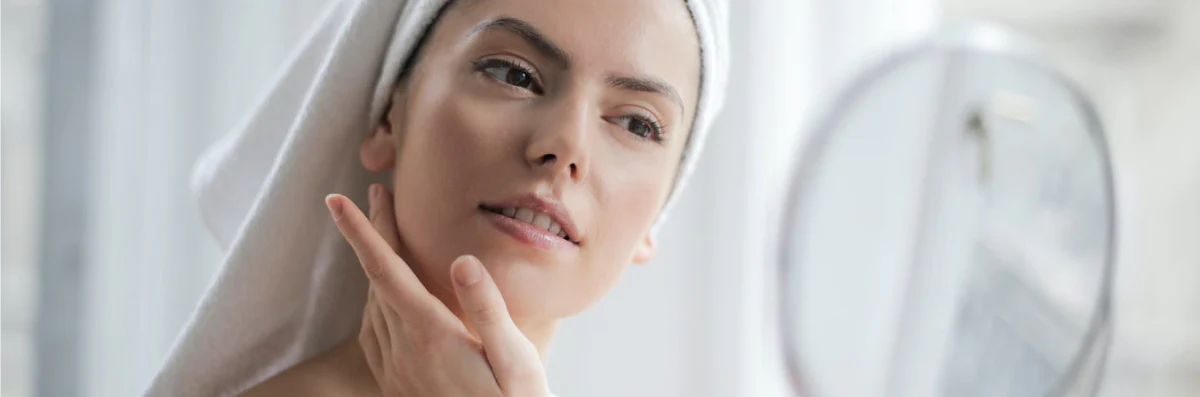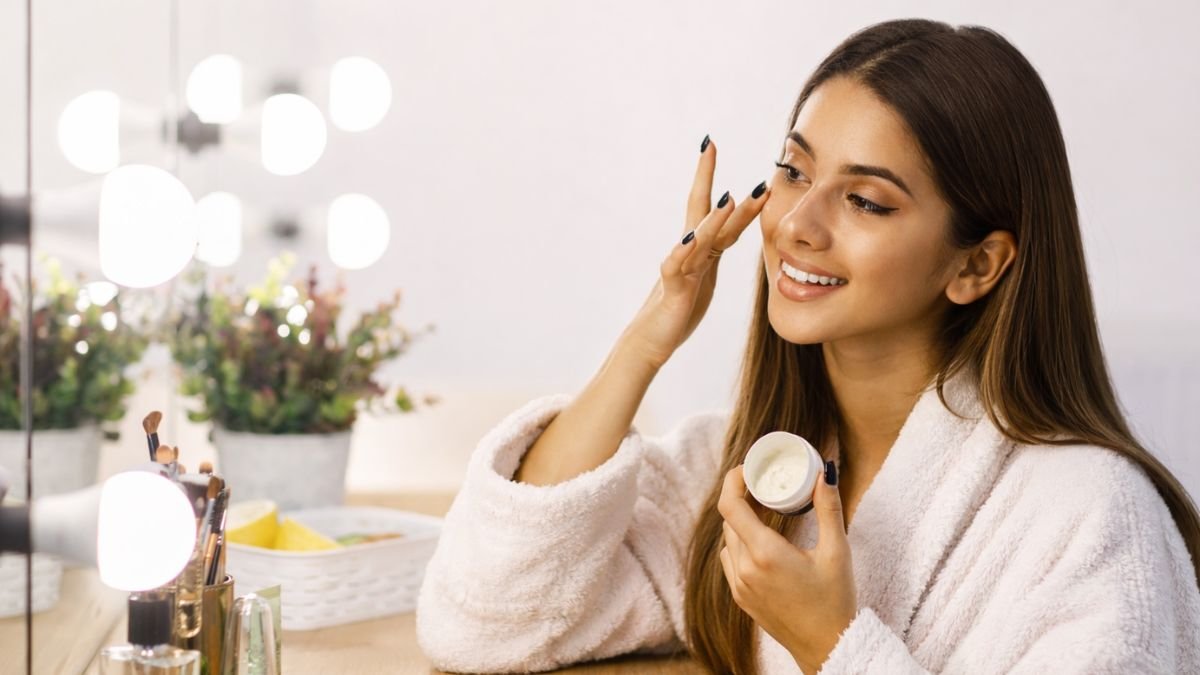
There’s something oddly comforting about home remedies. Maybe it’s the simplicity — haldi in the kitchen, aloe vera from a plant, a quick face pack whipped up in five minutes. It feels natural, safe, almost nostalgic. Most of us grew up watching someone in the family swear by these rituals.
But somewhere between Instagram skincare trends and clinical treatments, things got… confusing. Should you trust grandma’s nuskhe or book an appointment with a dermatologist? Or is the truth sitting somewhere awkwardly in between?
The Charm of DIY Skincare
DIY skincare isn’t just about saving money — it’s about control. You know what you’re putting on your skin. No long ingredient lists, no chemicals you can’t pronounce. For additional context, see Why Your Hair Products Don’t Work (And What Your Hair Is Trying to Tell You).
And to be fair, some home remedies do have real benefits. Turmeric has anti-inflammatory properties, honey can soothe and hydrate, and aloe vera is genuinely calming for irritated skin. For minor issues — a little dryness, dullness, or mild tanning — these can actually help.
There’s also the ritual aspect. Taking time out, mixing ingredients, applying a mask — it slows you down. Feels almost therapeutic.
But here’s the thing people don’t always say out loud: natural doesn’t automatically mean effective.
Where DIY Starts Falling Short
Skin is complicated. What looks like a simple acne breakout could be hormonal. Pigmentation might be deeper than what a face pack can fix. And then there’s sensitivity — lemon juice, for example, is often recommended online, but it can seriously irritate your skin if used incorrectly.
This is where the question — DIY vs dermatologist treatments: kya sach me ghar ke nuskhe kaam karte hai? — becomes more than just curiosity. It becomes about understanding limitations.
Home remedies work on the surface, mostly. They’re gentle, yes, but also slow and sometimes inconsistent. And if you’re dealing with persistent issues like cystic acne, rosacea, or severe pigmentation, DIY solutions often end up delaying proper treatment.
What Dermatologist Treatments Bring to the Table
Now, stepping into a clinic feels like entering a different world altogether. Structured, clinical, maybe a bit intimidating.
But dermatologists bring something DIY never can — precision. A useful related perspective is The Quiet Rise of Skin Minimalism: Do Fewer Products Actually Work Better?.
They’re not guessing. They’re diagnosing. Whether it’s prescribing retinoids for acne, recommending chemical peels for pigmentation, or suggesting laser treatments, everything is targeted. Backed by science, tailored to your skin type.
And results? Usually faster, more noticeable.
Of course, it’s not all perfect. Treatments can be expensive. Some procedures come with downtime. And let’s be honest — not everyone has easy access to a good dermatologist.
Still, when skin issues start affecting your confidence or just refuse to go away, professional help often makes a real difference.
The Middle Ground Most People Ignore
Here’s where things get interesting.
It doesn’t have to be either-or.
A lot of people assume they must pick a side — either go fully natural or completely clinical. But in reality, the best skincare routines often blend both.
For example, you might use a dermatologist-prescribed treatment for acne but still rely on soothing DIY masks for hydration. Or follow a clinical routine and occasionally use natural ingredients for maintenance.
It’s less about choosing a camp and more about understanding what your skin needs at different times. You may also find A Smarter Way to Handle Construction Debris and Commercial Waste helpful.
Risks That Don’t Get Talked About Enough
DIY skincare can sometimes feel harmless, but it’s not always risk-free.
Over-exfoliating with homemade scrubs, mixing incompatible ingredients, or blindly following viral hacks — these can damage your skin barrier. And once that barrier is compromised, everything else gets harder to manage.
On the flip side, clinical treatments also need caution. Overuse of actives, self-prescribing strong products, or hopping between treatments without guidance can backfire.
In both cases, awareness matters more than the method itself.
Listening to Your Skin (Not Just Trends)
Skincare trends change faster than we can keep up. One week it’s slugging, next week it’s ice facials.
But your skin? It doesn’t care about trends.
It reacts to consistency, balance, and care. Sometimes that means keeping things simple. Sometimes it means seeking expert advice. And sometimes, honestly, it just means doing less.
There’s no universal answer. What works beautifully for someone else might do nothing for you — or worse, cause irritation. For a closer look at this topic, read Keeping Your Water Treatment System Working at Its Best.
So, What Should You Choose?
If your skin concerns are mild and you enjoy the process, DIY can be a great place to start. It’s gentle, accessible, and often enough for basic care.
But if you’re dealing with stubborn issues, recurring problems, or anything that affects your confidence — don’t wait too long. A dermatologist can save you time, effort, and, ironically, money in the long run.
The smartest approach? Stay flexible. Be open to both.
Final Thoughts
Maybe the real answer isn’t about choosing between home remedies and dermatologist treatments. Maybe it’s about knowing when to use each.
DIY skincare has its charm, its place, its moments. Dermatology has its science, its structure, its results.
And your skin? It just needs you to pay attention.
Not blindly follow advice — whether it comes from the internet or even a well-meaning relative — but to actually observe, adapt, and respond.
Because in the end, good skincare isn’t about trends or extremes. Related coverage: Creating a Healthier Home Begins With the Air You Breathe.
It’s about balance.