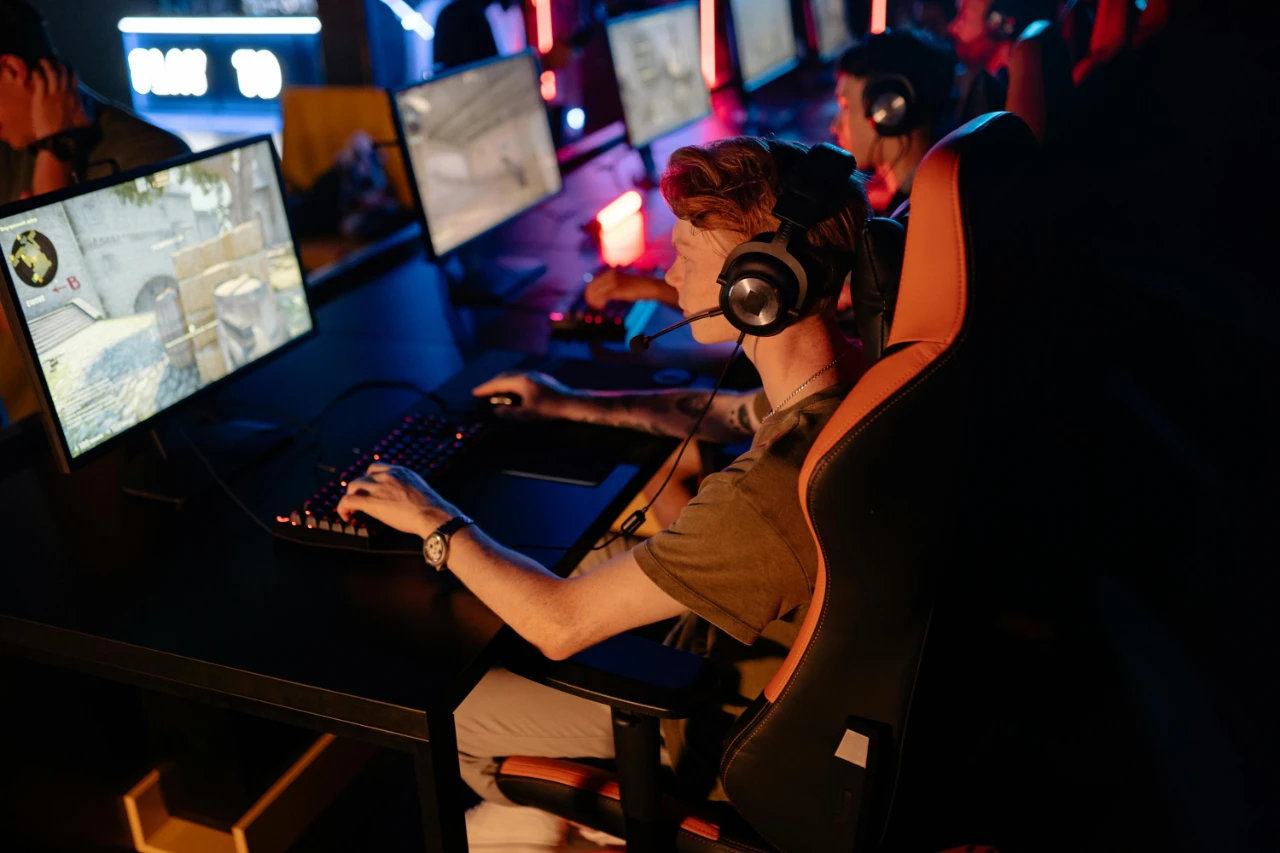
There was a time when gaming felt simple. You bought a disc (or downloaded a game), played it, and moved on. But somewhere along the way, the industry split into two very different worlds. On one side, massive studios with cinematic trailers and blockbuster budgets. On the other, small teams—sometimes just one person—quietly building something strange, personal, and often surprisingly brilliant.
And now, more than ever, it feels like both sides are shaping the future… just in very different ways.
The Power and Pressure of AAA Games
AAA games are the giants. Think sprawling open worlds, hyper-realistic graphics, orchestral soundtracks—the whole package. These games often take years to build and involve hundreds, sometimes thousands, of people. For additional context, see Building Your First Gaming Setup Without Burning Your Savings.
There’s no denying their appeal. When a big title drops, it feels like an event. The kind that dominates conversations, trends on social media, and fills up your YouTube feed overnight.
But there’s a flip side to that scale.
With budgets running into millions (sometimes more), the pressure to succeed becomes intense. Studios play it safe. Familiar formulas get repeated. Sequels, remakes, live-service models—it’s all about minimizing risk.
And sometimes, you can feel that predictability creeping in.
Indie Games: Small Teams, Big Surprises
Then you’ve got indie games. These are often built by small teams or solo developers who aren’t tied to massive financial expectations.
That freedom? It shows.
Indie games tend to experiment more—with storytelling, gameplay mechanics, even visuals. They’re not trying to appeal to everyone, and that’s exactly why they resonate so deeply with certain players.
Games like these often feel… personal. A bit rough around the edges, maybe, but full of character. A useful related perspective is From Casual Gamer to Full-Time Career: Finding Your Path in Mobile Gaming.
You don’t just play them—you experience someone’s idea, their perspective.
Creativity vs Scale: It’s Not a Fair Fight
Here’s where things get interesting. AAA studios have the resources to create technically stunning experiences. But indie developers often have the creative freedom to take risks.
It’s not really a competition—it’s more like two different philosophies.
AAA games aim for polish, scale, and mass appeal. Indie games lean into originality, emotion, and experimentation.
And depending on what you’re looking for as a player, either one can feel like the “better” choice.
What Players Are Actually Choosing
If you look at gaming trends today, something subtle is happening. Players aren’t just chasing big titles anymore. They’re exploring smaller, lesser-known games too.
Platforms like Steam, itch.io, and even mobile app stores have made indie games more accessible than ever. Word-of-mouth, Twitch streams, and YouTube reviews play a huge role in their success.
In fact, many gamers now alternate between both worlds. A big-budget RPG one month, a quirky indie puzzle game the next.
That mix keeps things fresh. You may also find A Smarter Way to Handle Construction Debris and Commercial Waste helpful.
The Industry Shift No One Can Ignore
A lot of discussions today revolve around Indie games vs AAA games: gaming industry ka future kis taraf ja raha hai, and honestly, there’s no single answer.
The future doesn’t seem to belong entirely to one side.
AAA studios are evolving—some are trying to be more experimental, more player-focused. At the same time, indie developers are becoming more ambitious, sometimes creating games that rival bigger studios in depth and impact.
The lines are starting to blur.
The Role of Technology
Technology is also leveling the playing field.
Game engines like Unity and Unreal have made it easier for indie developers to create high-quality games without massive budgets. Tools that were once exclusive to big studios are now accessible to almost anyone with the time and skill to learn.
At the same time, AAA studios are pushing the boundaries of what’s technically possible—ray tracing, AI-driven gameplay, massive open worlds.
Both sides are benefiting, just in different ways. For a closer look at this topic, read Keeping Your Water Treatment System Working at Its Best.
Monetization and Player Trust
Another factor shaping the future is how games make money.
AAA games often rely on microtransactions, battle passes, or live-service models. While these can keep games alive longer, they can also frustrate players if done poorly.
Indie games, on the other hand, usually stick to a simpler model—buy once, play fully. That transparency builds trust.
Players notice these things. And over time, it influences where they spend their money.
Final Thoughts
If you step back and look at the bigger picture, the future of gaming doesn’t feel like a battle between indie and AAA. It feels more like a balance.
Big studios will continue to create massive, visually stunning experiences that bring people together. Indie developers will keep pushing boundaries, telling stories that might never exist otherwise.
And as players, we get to enjoy both.
Maybe that’s the real takeaway here. Not choosing one over the other—but appreciating what each brings to the table. Related coverage: Creating a Healthier Home Begins With the Air You Breathe.
Because in the end, whether it’s a billion-dollar production or a passion project built in a bedroom, what really matters is how it makes you feel when you pick up that controller… and just play.