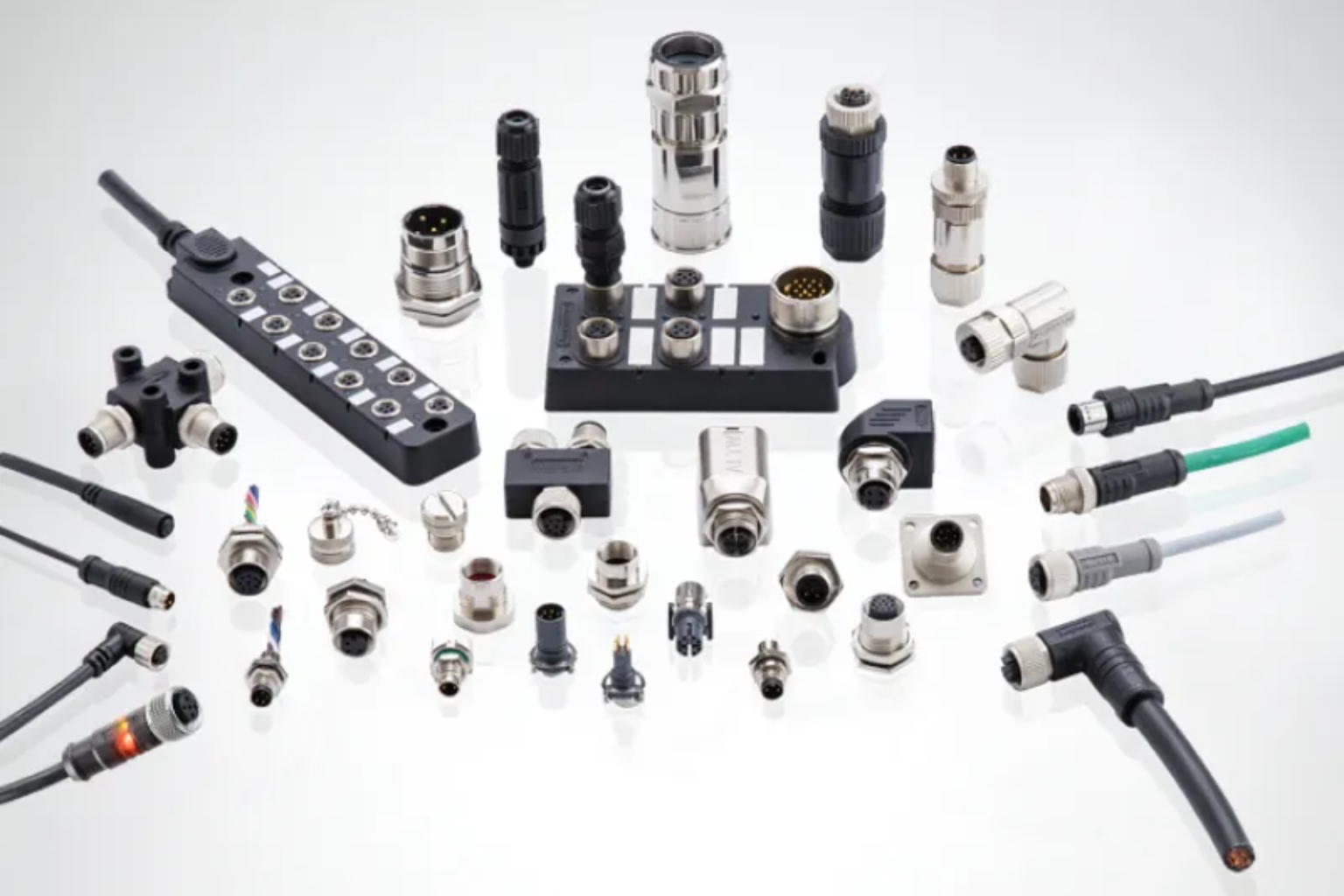
Industrial automation systems depend on reliable electrical connectivity to support communication, power distribution, and machine control. From robotic assembly lines to sensor-driven monitoring systems, modern factories require connectors capable of handling continuous operation in demanding environments.
Selecting the correct connector type directly impacts system reliability, maintenance efficiency, and long-term operational performance. Different applications require different interface designs depending on environmental exposure, signal sensitivity, and electrical load.
Manufacturers such as Allied Connectors support industrial automation with specialized connector solutions designed for durability, precision, and stable electrical performance. For additional context, see How Fe EDTA and Zinc EDTA Improve Nutrient Uptake in High pH Soils.
- Circular Connectors
Circular connectors are among the most widely used industrial connectors in automation systems. Their compact cylindrical design allows high pin density while maintaining strong mechanical durability.
These connectors are commonly used in robotic systems, industrial sensors, servo motors, and machine control equipment. The circular structure distributes physical stress evenly, making the connectors highly resistant to vibration and repeated mating cycles.
Many circular connectors also feature advanced sealing systems that protect against dust, moisture, and chemical exposure, making them suitable for harsh factory environments.
- PCB Connectors
PCB connectors are essential for compact automation electronics and control systems. They provide direct electrical connection to printed circuit boards used in PLC systems, industrial computers, and sensor modules.
As automation equipment becomes smaller and more intelligent, PCB connectors support high-density integration while maintaining signal integrity. Their compact structure helps reduce wiring complexity and improve equipment scalability. A useful related perspective is The Future of Sustainable Manufacturing Lies in Integrated Recycling.
PCB connectors are frequently used in industrial monitoring systems, automation controllers, and communication interfaces.
- Multipin Plug Socket Systems
Multipin plug socket solutions help simplify complex industrial wiring systems by consolidating multiple electrical pathways into one organized interface.
Instead of managing dozens of individual wires, technicians can quickly connect or disconnect entire systems through a single connector assembly. This significantly reduces installation time and improves maintenance efficiency.
Multipin systems are commonly used in automated control panels, conveyor systems, and heavy industrial equipment where rapid servicing and modular integration are important.
- Power and Signal Connectors
Modern automation equipment depends on both electrical power and continuous digital communication. Power and signal connectors are specifically designed to manage these mixed electrical loads safely within one integrated housing. You may also find The Small Business Improvements That Often Lead to Bigger Long-Term Success helpful.
These connectors use internal shielding and optimized pin layouts to isolate high-voltage power from sensitive communication signals. This helps prevent electromagnetic interference and ensures stable sensor connection performance.
Power and signal connectors are widely used in robotics, CNC machinery, automated production lines, and smart manufacturing systems.
- Ruggedized Connectors
Industrial environments expose connector systems to vibration, impact, temperature variation, dust, and corrosive chemicals. Ruggedized connectors are engineered specifically to survive these harsh operating conditions.
They feature reinforced metal housings, secure locking mechanisms, and advanced sealing systems that maintain electrical integrity under continuous mechanical stress. For a closer look at this topic, read Top 7 Uses of EDTA Disodium Salt in Industrial and Agricultural Applications.
Ruggedized connectors are frequently installed in heavy manufacturing plants, mining equipment, transportation systems, and outdoor automation infrastructure.
Choosing the Right Connector for Automation Systems
Every automation system has unique operational requirements. Connector selection should always consider environmental conditions, signal sensitivity, mating frequency, and maintenance accessibility.
Using the wrong connector type can result in communication instability, equipment downtime, and premature system failure.
Companies such as Allied Connectors provide a broad range of industrial connectors, circular connectors, PCB connectors, and power and signal connectors designed to support high-performance automation environments. Related coverage: Managing Remote Teams Without Losing Your Mind (or Your Culture).
Reliable connector systems remain essential to building efficient, scalable, and future-ready industrial automation infrastructure.