Water looks simple. It’s clear, it pours from the tap, and most days we don’t give it a second thought. But the quality of household water can influence much more than what’s in your drinking glass. It can affect your plumbing, appliances, cooking, laundry, and even the way water smells or tastes.
The tricky part is that not every water-quality issue is easy to see. Some problems leave obvious stains or mineral deposits, while others may require proper testing to identify. Knowing a little about common water concerns can help homeowners make smarter decisions instead of guessing at what their water needs.
How Water Quality Affects Everyday Household Life
Think about how many times you use water in a single day. You make tea or coffee, wash dishes, take showers, run the washing machine, clean floors, and fill glasses for drinking. For additional context, see Best Movers in Taman Melawati and Ampang: A Complete Guide to Stress-Free Relocation.
All of these activities depend on the same basic resource.
Certain water-quality issues can also affect water-using appliances, including dishwashers, washing machines, water heaters, and coffee makers. Mineral buildup or sediment may accumulate over time, potentially affecting performance and increasing maintenance needs.
Of course, every home is different. The impact depends on what’s actually present in the water and how much water the household uses.
The Difference Between Hard and Soft Water
Hard water is one of the most common complaints homeowners have. It typically contains higher levels of calcium and magnesium.
You might recognize hard water from the white spots around faucets, cloudy dishes, or scale that gradually develops inside fixtures. Some people also notice that soap doesn’t rinse quite as easily as they’d like.
Hard water isn’t necessarily a health emergency, but it can be frustrating. Water softeners are commonly used to reduce hardness and help manage mineral-related buildup.
The important thing is to understand whether hardness is actually your problem before purchasing equipment.
Why Chlorine Can Affect Taste and Smell
Municipal water systems often use chlorine as part of the disinfection process. Its use helps control microorganisms in treated water, but some people notice its characteristic smell or taste.
You may notice it more strongly after filling a glass or taking a shower. Some homeowners describe the smell as slightly chemical or swimming-pool-like. A useful related perspective is Why Understanding Your Water Quality Matters More Than You Think.
Filtration systems designed for appropriate water-quality concerns can sometimes reduce chlorine taste and odor. Activated carbon is commonly used for this purpose, although the effectiveness depends on the specific filter and water conditions.
If chlorine taste bothers you, testing and choosing the right filter can make drinking tap water more enjoyable.
Why Testing Matters With Arsenic
Some water-quality concerns are less obvious because you can’t detect them simply by looking at or smelling the water. Arsenic is one example that may occur naturally in certain groundwater sources.
This is particularly relevant for households using private wells, where homeowners are responsible for arranging appropriate testing and treatment.
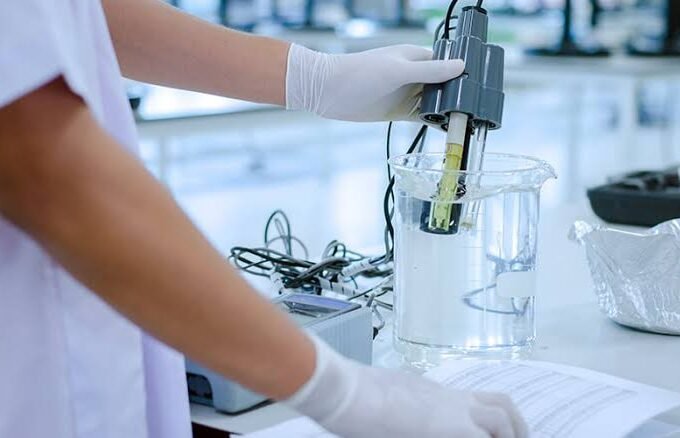
The important point is not to panic. Instead, test your water through an appropriate laboratory or qualified service. If testing identifies arsenic or another specific contaminant, treatment should be selected based on the measured level and the water source.
A general filter shouldn’t automatically be assumed to address every possible contaminant.
Sediment Can Be an Annoying Problem
Sediment is another issue that can affect household water. Fine particles may come from the water source, aging infrastructure, plumbing, or other conditions.
You might notice sediment as cloudiness, particles in a glass, or buildup around fixtures. Even when the amount seems small, it can be irritating and may affect certain plumbing components. You may also find Finding the Right Water Treatment System for Your Home or Office helpful.
Sediment filters are often used to capture suspended particles before water reaches other treatment equipment. In some systems, they serve as an important first stage of filtration.
Again, the right filter depends on particle size and the actual conditions in the water.
Your Appliances Need Good Water, Too
Your household appliances quietly work with water every day. A water heater warms it. A dishwasher sprays it. A washing machine uses it to clean clothes.
When water contains excessive minerals or sediment, deposits can gradually develop inside equipment. Hard-water scale, in particular, can become an ongoing maintenance issue.
This doesn’t mean every water problem will damage an appliance. It simply means that water quality and appliance maintenance are connected.
Regular servicing, cleaning, and appropriate water treatment can all contribute to keeping equipment running properly.
Choosing the Right Treatment
It’s tempting to search online, see a highly rated filter, and assume it will solve everything. Unfortunately, water treatment isn’t quite that simple.
Different systems are designed for different purposes. A carbon filter may help with taste and odor. A softener is intended for hardness. Specialized treatment technologies may be required for certain contaminants.
That’s why a water test is such a useful starting point. For a closer look at this topic, read What Your Water Is Really Telling You: Testing, Treatment, and Smarter Choices.
Once you know what’s present, you can compare systems based on performance, maintenance, installation, operating costs, and warranty coverage.
Don’t Forget About Regular Maintenance
Even the best treatment equipment requires some attention.
Filters have replacement schedules. Softeners may require maintenance. Some systems need periodic inspections to make sure everything is working correctly.
It’s easy to forget about these tasks because most water equipment operates quietly in the background. Set a calendar reminder, keep track of filter changes, and follow the manufacturer’s recommendations.
A few minutes of routine care can help prevent avoidable problems later.
A Smarter Way to Think About Household Water
Good water quality isn’t necessarily about making water “perfect.” It’s about understanding what’s in your water and addressing the concerns that actually matter.
If you’re noticing strange tastes, mineral buildup, sediment, or appliance issues, don’t rely entirely on guesswork. Test first, understand the results, and then choose treatment accordingly.
The best water solution is rarely the one with the longest list of features. It’s the one that fits your home’s water, your household’s needs, and your willingness to maintain it. Related coverage: How to Choose a Reverse Osmosis System That Actually Fits Your Home.
After all, water is something you use every day. Taking a little time to understand it can make a surprisingly meaningful difference to the comfort and care of your home.