Most people don’t think much about their household water until something feels off. A strange taste in the morning coffee. White spots around the faucet. A shower that somehow leaves your skin feeling dry. Sometimes the signs are obvious, and sometimes they’re so subtle that you simply get used to them.
But water quality deserves a little more attention than that.
The water entering your home can contain minerals, sediment, chlorine, or other substances depending on your local supply and plumbing. That doesn’t mean your water is unsafe. It simply means that understanding what’s actually in it can help you make better decisions about filtration and treatment. For additional context, see Why Understanding Your Water Quality Matters More Than You Think.
And surprisingly, the smartest place to start isn’t with a new system. It’s with a test.
Why Water Testing Should Come First
Buying a water treatment system without knowing what problem you’re trying to solve is a bit like buying medicine without knowing what you’re treating.
Water Testing provides a clearer picture of your water’s characteristics. Depending on the type of test, you may learn about hardness, pH, minerals, sediment, and other potential concerns.
For homeowners using private wells, testing can be particularly useful because groundwater conditions can vary considerably. Even if you’ve lived in the same house for years, water quality can change over time.
Testing doesn’t have to be complicated. A professional water-quality assessment can help identify the issues that actually matter, allowing you to choose treatment equipment based on evidence rather than guesswork.
Hard Water Is More Than an Annoyance
Hard water is one of the most common reasons homeowners look into water treatment.
Calcium and magnesium can leave mineral deposits on fixtures and appliances. You may notice a cloudy film on glassware, stubborn spots around faucets, or scale building up inside appliances.
There are several approaches to managing hardness. Traditional water softeners are one option, but they aren’t the only one.
Some homeowners prefer Salt-Free Water Systems, particularly when they want to reduce scale without using salt. These systems generally work differently from conventional ion-exchange softeners and should not be viewed as identical replacements.
That distinction is important. A useful related perspective is Finding the Right Water Treatment System for Your Home or Office.
Salt-free systems are commonly designed to condition water and reduce the tendency for minerals to form scale rather than actually removing hardness minerals from the water. If you’re considering one, understand what the technology is intended to do before making a purchase.
Why Drinking Water Often Gets Extra Attention
Even when household water is generally suitable for everyday use, many people want an additional level of treatment for drinking and cooking.
It makes sense. We taste and consume that water directly, so changes in flavor or odor are much easier to notice.
A kitchen filtration system can provide targeted treatment without requiring the entire home to be treated. This can be a practical option for households mainly concerned about drinking water.
For some homes, however, more advanced purification may be appropriate.
Understanding Reverse Osmosis
Reverse osmosis has become a familiar term in residential water treatment, but not everyone understands what it actually does.
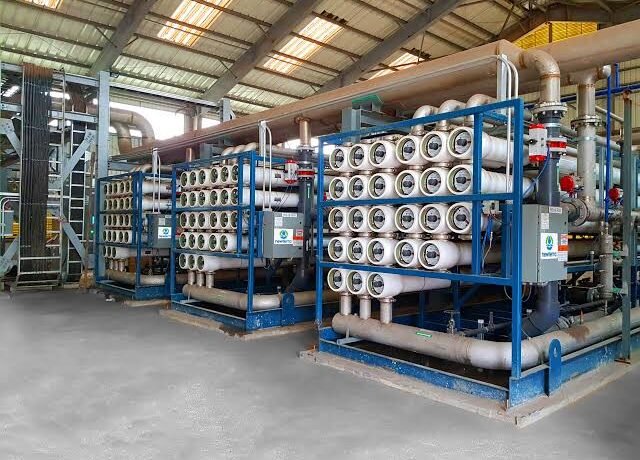
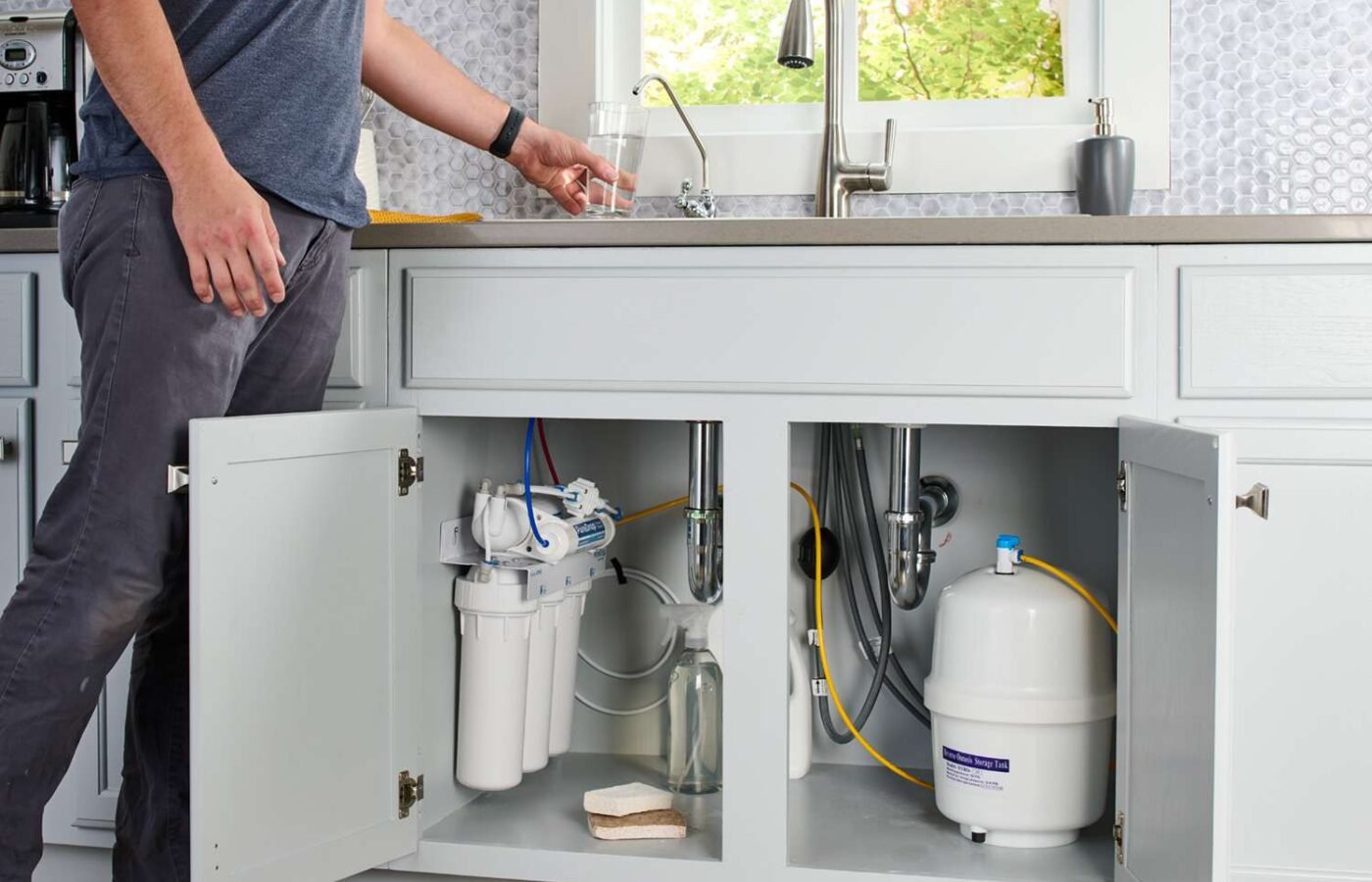
Reverse Osmosis Water Systems use a semi-permeable membrane to separate many dissolved substances from water. These systems commonly include multiple filtration stages before and after the membrane.
They’re often installed under a kitchen sink and connected to a dedicated drinking-water faucet.
One thing to remember is that reverse osmosis systems aren’t designed to solve every water problem. They can also produce wastewater during the purification process and require filter and membrane replacement.
So, again, testing and understanding your specific goals matter.
Taste Can Be a Useful Clue
Your taste buds aren’t a laboratory, but they can tell you when something has changed. You may also find How to Choose a Reverse Osmosis System That Actually Fits Your Home helpful.
Chlorine, minerals, or other characteristics can affect the flavor of drinking water. If your water suddenly tastes metallic, earthy, salty, or unusually chemical-like, it’s worth investigating.
A taste change doesn’t necessarily mean something dangerous has happened. Local water systems can undergo maintenance, seasonal conditions can shift, and plumbing can influence what comes out of the tap.
Still, an unexpected change deserves attention rather than dismissal.
Think About the Whole House
One common mistake is focusing entirely on the kitchen faucet.
Water flows through every part of your plumbing. Showers, bathroom sinks, washing machines, dishwashers, and outdoor fixtures all use water.
If the main concern is a whole-house issue, point-of-use filtration may not be enough.
Whole-home treatment can address water before it reaches individual fixtures, depending on the technology selected. This can be especially useful when homeowners are dealing with persistent sediment, hardness, odor, or other concerns throughout the property.
But whole-home equipment is also a larger investment, so it makes sense to understand the problem first.
Maintenance Is Part of the Deal
No water treatment system should be considered completely “set it and forget it.”
Filters eventually become saturated. Membranes need replacement. Connections should be inspected, and certain systems require periodic servicing. For a closer look at this topic, read Finding Reliable Plumbing Help When You Need It Most.
Neglecting maintenance can reduce water flow and treatment performance. In some cases, an old filter can become a bigger concern than the original water-quality issue it was installed to address.
Keep track of replacement dates and follow the manufacturer’s recommendations. If you’re uncertain, professional servicing can provide peace of mind.
Don’t Chase Every New Technology
The water-treatment industry has plenty of impressive-looking equipment. Smart monitors, multi-stage filters, advanced membranes, mineral systems — there’s always something new.
New technology can be useful, but newer doesn’t automatically mean better for your home.
A simple filtration system may be all you need. Another household might genuinely benefit from more advanced treatment.
The goal isn’t to build the most sophisticated water-treatment setup possible. It’s to solve the right problem efficiently.
Making a More Informed Decision
Good water treatment starts with curiosity.
Test the water. Pay attention to changes in taste, odor, appearance, and scale. Think about whether the issue affects drinking water or the entire house. Consider installation, maintenance, replacement costs, and the lifespan of the equipment.
Most importantly, understand what a treatment system can — and cannot — do.
There’s something reassuring about knowing what’s coming out of your tap. Once you understand your water, choosing the right treatment becomes much less confusing. Instead of buying based on promises or flashy features, you can choose based on what your household actually needs. Related coverage: A Smarter Way to Handle Construction Debris and Commercial Waste.
And that’s really the point: not perfect water, but informed water choices that make everyday life a little easier.