Water is easy to overlook when everything seems normal. You turn on the tap, fill a glass, make coffee, wash your hands, and move on with the day. It’s only when the water starts tasting strange, leaving spots on dishes, producing unusual odors, or causing other frustrations that most people begin asking questions.
And then comes the confusing part.
Search online for a water treatment system and you’ll find hundreds of options. Carbon filters, water softeners, reverse osmosis units, whole-home systems, UV treatment, sediment filters—the list goes on. Every product sounds impressive, and nearly every company claims to have the perfect solution. For additional context, see Why Understanding Your Water Quality Matters More Than You Think.
But there’s a simple truth behind all of it: the best system depends on the water you actually have.
A treatment system that works beautifully in one property may be unnecessary or ineffective in another. That’s why understanding your water before buying equipment can save money, time, and a lot of frustration.
Start With the Water, Not the Equipment
Many people approach water treatment backwards.
They notice a problem, search for a product, read a few reviews, and order the system that seems most popular. Sometimes that works out. Sometimes it doesn’t.
Imagine trying to buy medicine without knowing what illness you have. You could spend money on something that sounds useful but never addresses the real issue.
Water treatment is similar.
The first question shouldn’t be, “What is the best water filter?”
A better question is, “What is actually in my water, and what problem am I trying to solve?”
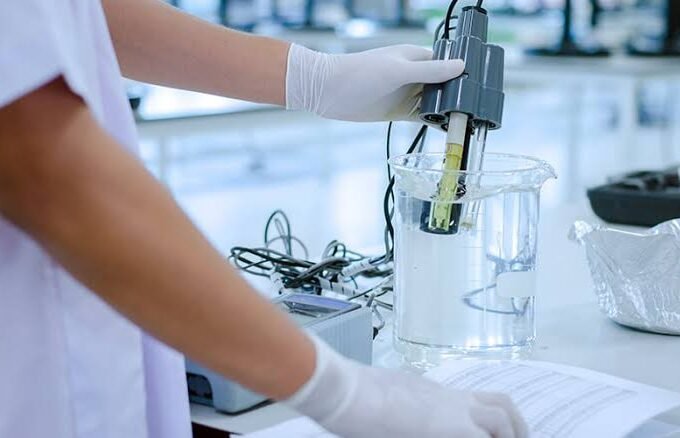
A free water analysis can be a useful starting point when offered by a qualified provider, although homeowners should understand exactly what the analysis includes. Different tests look for different characteristics, and not every basic test covers every possible water concern.
Depending on the source and situation, testing may examine factors such as hardness, pH, iron, manganese, sediment, dissolved substances, or other relevant characteristics.
Once you have useful information, choosing treatment becomes far less of a guessing game.
Different Water Problems Need Different Solutions
The word “water treatment” covers a surprisingly wide range of technologies.
A sediment filter, for example, is mainly designed to capture particles. It can be helpful when water contains visible debris, sand, or other suspended material.
Hard water is a different issue altogether. Minerals such as calcium and magnesium can contribute to buildup on fixtures, cloudy glassware, and scale inside certain appliances. A water softening system may be considered when hardness is identified as the main concern.
Then there are taste and odor issues.
Activated carbon may help reduce certain compounds that affect how water tastes or smells, depending on the filter design and the incoming water.
Reverse osmosis takes another approach. These systems use a semipermeable membrane and additional filtration stages to help reduce a range of dissolved substances, depending on the specific equipment. A useful related perspective is What Your Water Is Really Telling You: Testing, Treatment, and Smarter Choices.
The point is simple: no single technology is automatically the answer to every problem.
Choosing an Ideal Water Treatment System
Finding an ideal water treatment system isn’t really about buying the largest machine or choosing the product with the longest list of features.
It’s about matching technology to the situation.
A small household with hard water may need something completely different from a large family relying on private well water. An office concerned mainly with drinking water may have different requirements from a restaurant trying to protect ice machines and kitchen equipment.
The right system should take several things into account.
First, consider the water source. Municipal water and private well water can have very different characteristics and treatment needs.
Second, think about how much water is being used. A treatment system that works perfectly for one or two people may struggle in a busy household with multiple bathrooms and heavy daily usage.
Third, consider the actual goal.
Are you trying to improve drinking water? Reduce hardness? Address sediment? Improve taste? Protect appliances? The answer will influence the type of treatment that makes sense.
Sometimes a single system is enough. In other cases, several technologies may work together.
Whole-Home Treatment and Point-of-Use Systems
Not every drop of water in a building needs the same level of treatment.
This is why many properties use a combination of whole-home and point-of-use systems.
A whole-home system treats water before it travels through much of the plumbing. This can be useful when the issue affects showers, laundry, appliances, faucets, and other everyday uses.
A point-of-use system, meanwhile, focuses on water in a specific location.
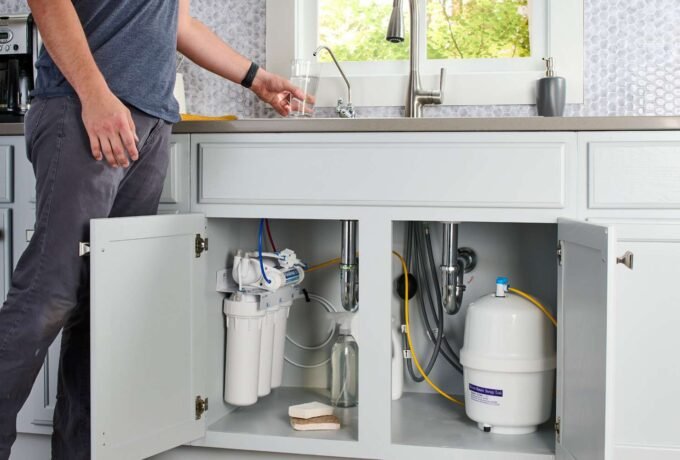
A reverse osmosis unit beneath the kitchen sink is a common example. It provides treated water where it may be most important for drinking, cooking, making coffee, and filling reusable bottles.
This approach can make a lot of sense.
There’s usually no reason to use advanced drinking water treatment for every gallon used to flush toilets or water the garden. Instead, different treatment methods can be used where they are actually needed.
That creates a more practical setup without unnecessary complexity. You may also find How to Choose a Reverse Osmosis System That Actually Fits Your Home helpful.
Water Treatment for the Home or Workplace
Water quality doesn’t only matter in houses.
A home or office application may have completely different requirements depending on how people use the water throughout the day.
In an office, drinking water may be the main priority. Employees and visitors want convenient access to water that tastes good, and a point-of-use system may reduce the need to constantly purchase and store bottled water.
Restaurants, cafés, and other food-related businesses may have additional concerns. Water can affect beverages, food preparation, ice machines, dishwashing equipment, and other daily operations.
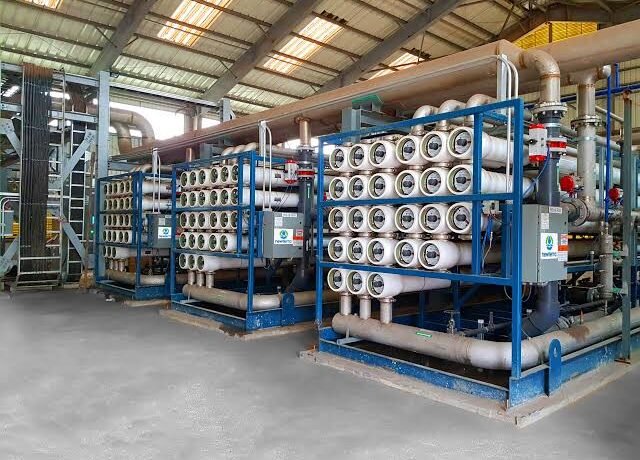
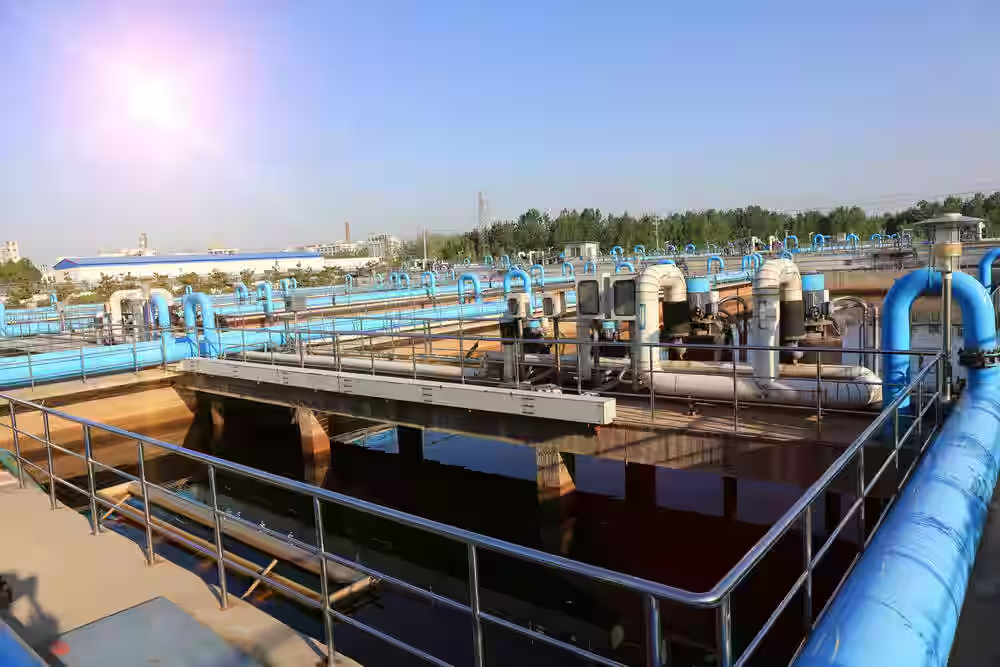
Hotels, apartment buildings, and larger commercial properties may need treatment designed for higher water volumes and more complex plumbing systems.
The important thing is to avoid treating every property as if it has the same needs.
Water treatment should fit the building, the water source, and the way people actually use the supply.
Don’t Forget About Maintenance
Installing a water treatment system isn’t a one-time project that can be forgotten forever.
Filters need replacement. Treatment media may eventually become exhausted. Reverse osmosis membranes have a service life. Water softeners may require salt or other regular maintenance depending on the design.
A system can only perform as intended when it is properly maintained.
Before buying equipment, ask practical questions that are easy to overlook during the excitement of shopping.
How often will filters need changing? Are replacement parts readily available? What will maintenance cost over time? Can basic service be handled at home, or will professional assistance be required?
These details can have a major effect on long-term satisfaction.
A simple system that is easy to maintain may ultimately be more useful than an advanced unit that becomes too expensive or complicated to service.
Water Testing Can Save More Than Money
Proper testing doesn’t just help you avoid buying unnecessary equipment.
It can also give you a better understanding of changes in your water over time.
Private well owners may benefit from periodic testing because groundwater conditions can change. Heavy rainfall, flooding, nearby construction, damaged well components, and changes in the surrounding environment can all create reasons to pay closer attention. For a closer look at this topic, read Finding Reliable Plumbing Help When You Need It Most.
Even municipal water users may occasionally have concerns based on changes in taste, odor, plumbing, or other conditions.
The goal isn’t to worry about every possible water issue.
It’s simply to make decisions based on information rather than assumptions.
When you understand the problem, you have a much better chance of choosing equipment that actually addresses it.
Installation Should Fit Into Real Life
There is another practical consideration that often gets forgotten: where will the equipment actually go?
A whole-home system may need space near the main water line. A drinking water system might fit beneath a kitchen sink. Larger systems may require additional room for tanks or other components.
Access matters too.
If replacing a filter requires removing half the items stored in a cabinet or crawling into an awkward corner every few months, maintenance may quickly become something you keep postponing.
A good installation should make future servicing manageable.
Professional installation can also be useful for more complicated systems or properties with unusual plumbing arrangements. Proper connections, water pressure, drainage, and system configuration can all influence how equipment performs.
The Best Water Solution Is Usually the Most Practical One
There is no trophy for owning the most expensive water treatment equipment.
The goal is better water management without turning your home or workplace into a science laboratory.
Start by understanding the water source and identifying the actual concern. Test the water when appropriate. Compare treatment options based on what they are specifically designed to do.
Then think about the practical side.
Will the system fit your property? Can it handle your daily water usage? Is maintenance realistic? Are replacement parts available?
These questions matter just as much as impressive product features.
At the end of the day, the right water treatment system should quietly fit into everyday life. You should be able to fill a glass, make coffee, run the dishwasher, or provide drinking water for employees without constantly thinking about what is happening behind the scenes. Related coverage: A Smarter Way to Handle Construction Debris and Commercial Waste.
That’s really the goal.