Water can look perfectly clean and still contain substances that affect your health, plumbing, appliances, or industrial equipment. That’s one of the tricky things about water quality — what you can see isn’t always what matters most.
A glass of clear water may have excessive minerals, dissolved salts, microorganisms, or other substances hiding inside it. Over time, these issues can leave stains, create unpleasant tastes, damage equipment, or make water unsuitable for a particular use. Before choosing a treatment method, it makes sense to understand what you’re actually dealing with.
Start With the Basics: Know Your Water
Every water source has its own characteristics. Groundwater, surface water, municipal supplies, and industrial process water can all behave differently. Even two wells located fairly close together may produce water with noticeably different chemistry. For additional context, see Finding the Right Water Treatment System for Your Home or Office.
One of the first things professionals often examine is hardness. Hard water contains elevated levels of minerals, mainly calcium and magnesium. It isn’t necessarily dangerous to drink, but it can be a real nuisance around the house or workplace. Scale may build up inside pipes, water heaters, boilers, and other equipment. Soap can also become less effective, leaving that familiar film on sinks, showers, and glassware.
For households, the problem may seem mostly cosmetic. In commercial or industrial settings, though, scale can become an efficiency issue. Equipment may have to work harder, maintenance can become more frequent, and operating costs may gradually creep upward.
Not Everything in Water Is Visible
The word “contaminant” sometimes makes people imagine dirty or polluted water. In reality, contaminants can be present even when water looks and smells completely normal.
Depending on the source, testing may identify iron, manganese, nitrates, chloride, sulfate, organic compounds, microorganisms, suspended particles, or other substances. Some may affect taste or appearance, while others can interfere with treatment equipment or make water unsuitable for specific applications.
That’s why relying only on appearance is risky. Clear water is not automatically problem-free water.
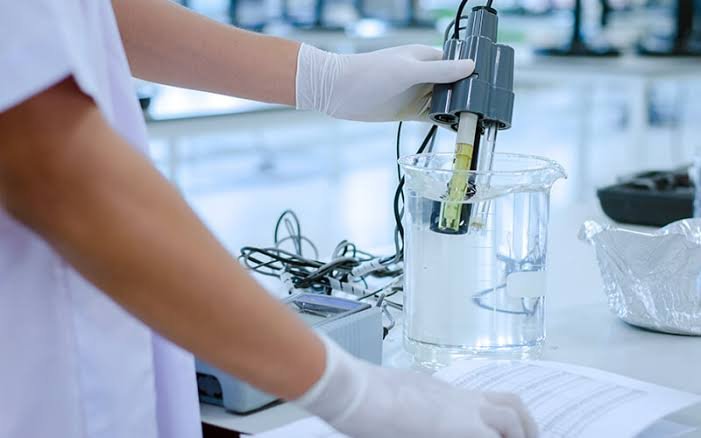
A proper water analysis provides a much better picture. It can show which substances are present, at what levels, and whether those levels are appropriate for drinking, irrigation, manufacturing, cooling, cleaning, or another intended use.
Why Water Testing Should Come Before Treatment
It’s easy to jump straight into solutions. Someone notices scale and immediately thinks about a softener. Another person sees cloudy water and starts looking at filters. Sometimes those solutions work. Sometimes they only treat part of the problem. A useful related perspective is What Your Water Is Really Telling You: Testing, Treatment, and Smarter Choices.
Testing first helps prevent that kind of guesswork.
A comprehensive analysis can examine pH, total dissolved solids, alkalinity, conductivity, turbidity, mineral concentrations, microbial indicators, and other quality metrics that provide useful clues about the condition of the water.
These numbers aren’t just technical details sitting on a laboratory report. They help determine what kind of treatment is actually appropriate. For example, a high iron level may call for a very different approach from excessive hardness. Likewise, microbial concerns require a different treatment strategy than simple sediment removal.
Water Quality Depends on How You Use the Water
There isn’t one definition of “good water.” The right quality depends on what the water needs to do.
Drinking water has different requirements from water used in a cooling tower. Manufacturing processes may require tightly controlled mineral levels because even small variations can affect production. In a boiler system, certain dissolved substances can contribute to scaling or corrosion.
Agricultural applications have their own concerns. Salinity, sodium levels, and other characteristics can influence soil and crop performance.
This is why water treatment should always begin with the intended application in mind. A treatment system designed without considering actual usage can end up being inefficient, unnecessarily expensive, or simply ineffective. You may also find How to Choose a Reverse Osmosis System That Actually Fits Your Home helpful.
The Hidden Cost of Ignoring Water Problems
Small water-quality problems have a habit of becoming bigger ones.
Imagine a commercial facility where mineral buildup slowly develops inside a heating system. At first, nobody notices. The equipment still works. Months later, efficiency begins to decline, maintenance becomes more frequent, and eventually a component needs repair.
The original water-quality issue might have been relatively simple to address. The resulting equipment problem is not.
The same principle applies at home. Hard water can gradually affect faucets, showerheads, washing machines, water heaters, and plumbing. Replacing equipment repeatedly can cost far more than understanding and managing the underlying water condition.
Good Treatment Starts With Good Information
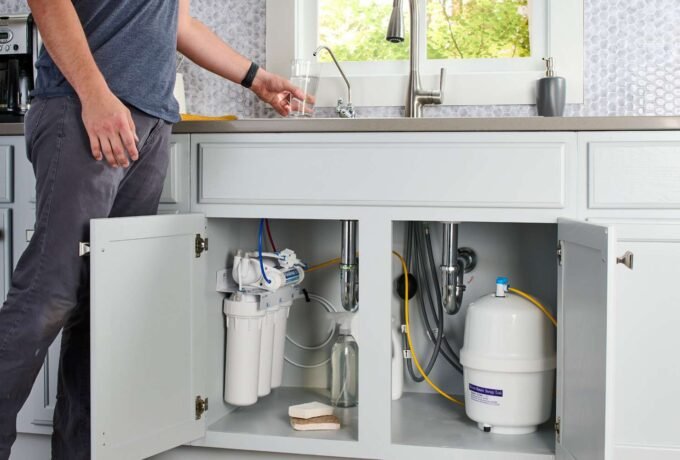
Once testing identifies the main issues, treatment becomes much more straightforward. Depending on the results, a solution might involve sediment filtration, activated carbon, water softening, reverse osmosis, ultraviolet disinfection, iron removal, or several technologies working together.
The important part is choosing based on evidence rather than assumptions. For a closer look at this topic, read Finding Reliable Plumbing Help When You Need It Most.
It’s also worth considering future needs. Water demand can change when a household grows, a business expands, or production increases. A system that barely meets today’s requirements may become a headache later.
Keep Monitoring After Installation
Water treatment isn’t a “set it and forget it” job.
Filters need replacement. Treatment media eventually becomes exhausted. Membranes require cleaning, pumps need inspection, and water chemistry can change with seasons or changes in the source.
Regular testing and basic performance monitoring can catch problems early. If water quality suddenly changes, pressure drops, or treated-water output declines, those signs shouldn’t simply be ignored.
Keeping a record of test results and maintenance activities is surprisingly useful, too. Patterns become easier to spot, and technicians have better information when troubleshooting is needed.
A Smarter Way to Think About Water
Good water management isn’t about buying the most complicated treatment system or chasing every possible contaminant. It’s about understanding the water first and then addressing the problems that actually matter.
Testing provides the foundation. Proper treatment protects the water and the equipment that depends on it. Ongoing monitoring keeps the whole approach working over time. Related coverage: A Smarter Way to Handle Construction Debris and Commercial Waste.
In the end, water quality is one of those things that’s easy to overlook when everything seems fine. But a little attention today can prevent a lot of expense tomorrow. Sometimes the smartest first step isn’t installing another piece of equipment — it’s simply taking the time to find out what’s really in the water.