An air purifier is one of those home upgrades people often buy with good intentions, then quietly forget about. It sits in the corner or connects into the home’s air system, doing its job in the background. At first, the difference can feel lovely. Less dust, fresher bedrooms, fewer lingering smells, maybe even easier breathing during allergy season.
But air purifiers are not magic boxes. They need care, placement, and the right setup to keep working properly. A system that is neglected may still switch on and make noise, but that does not always mean it is cleaning the air well. Like a vacuum with a full dust bin, it can look busy while doing much less than expected.
Start With the Basics
The best expert tips are usually not complicated. Keep filters clean. Do not block vents. Place portable units where air can move freely. Follow the manufacturer’s filter schedule, but also use common sense. A home with pets, heavy dust, nearby construction, or frequent cooking may need more attention than a quiet, low-dust space. For additional context, see Best Movers in Taman Melawati and Ampang: A Complete Guide to Stress-Free Relocation.
It also helps to keep doors and airflow patterns in mind. A purifier trapped behind furniture or tucked tightly into a corner cannot pull air as effectively. For room units, give the machine some breathing space. For whole-home systems, make sure return vents and supply vents are not covered by rugs, curtains, or storage boxes.
Why Compatibility Matters
Not every air purifier works well with every home setup. Some systems are standalone units for bedrooms, offices, or living rooms. Others connect with heating and cooling equipment to support air cleaning throughout the house. The right choice depends on home size, ductwork, airflow, filter type, and the specific air quality concerns.
That is why HVAC compatibility is so important for whole-home air purification. A system must work with the existing heating and cooling equipment, not against it. If a filter is too restrictive, airflow may suffer. If the unit is undersized, it may not deliver the expected results. A professional check can help avoid poor performance, higher energy use, or unnecessary strain on equipment. A useful related perspective is Why Understanding Your Water Quality Matters More Than You Think.
Filters Do the Heavy Lifting
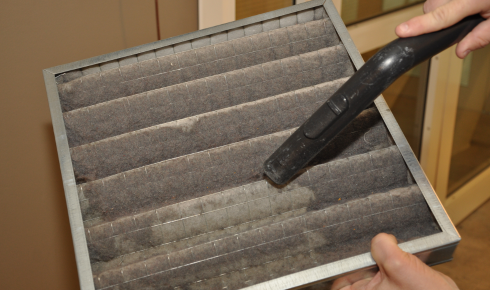
Filters capture dust, pollen, pet dander, smoke particles, fibers, and other airborne irritants. Over time, all of that material builds up. Once a filter is clogged, airflow slows and the system has to work harder. Rooms may start feeling stale again. Odors may linger. Dust may come back quicker than usual.
A simple filter routine can prevent a lot of frustration. Check filters monthly, even if they do not always need replacing. Keep replacement filters on hand. Write the change date somewhere visible or set a phone reminder. It is a small habit, but it keeps the system honest.
Cleaning Around the System Helps Too
Good air purifier care is not only about changing filters. The area around the unit matters. Dust can collect on intake grilles, outlet vents, fan covers, and nearby surfaces. If these areas get blocked, the purifier may struggle to pull in and push out air properly. You may also find Finding the Right Water Treatment System for Your Home or Office helpful.
For portable units, wipe the exterior regularly and vacuum around the base. Wash or clean pre-filters if the manufacturer allows it. For whole-home systems, keep vents clear and schedule professional service when needed. Never force open parts or wash filters unless the instructions clearly say it is safe. Some filters are disposable and can be damaged by water.
Watch for Small Warning Signs
Air systems usually tell you when something is off, just not always loudly. The unit may become noisier. Airflow may feel weaker. Dust may collect faster. A musty or stale smell may return. Some modern units have indicator lights, but relying only on alerts can be risky if the home has unusual air conditions.
Seasonal changes matter too. During pollen season, wildfire smoke events, renovations, or long periods of closed windows, filters may load up faster. After heavy use, it is worth checking the system sooner than usual. For a closer look at this topic, read What Your Water Is Really Telling You: Testing, Treatment, and Smarter Choices.
When to Call a Professional
Homeowners can handle basic upkeep, but professional guidance is useful for deeper issues. A technician can check airflow, duct connections, filter fit, system sizing, electrical components, and whether the purifier is working properly with the home’s existing equipment.
This is especially helpful for whole-home systems. A small installation issue can reduce performance across the entire house. Fixing it early is usually easier than dealing with poor air quality, strained equipment, or repeated filter problems later.
Clean Air Is a Habit, Not a One-Time Purchase
A good air purifier can make a home feel calmer, fresher, and more comfortable. But the real value comes from using it correctly and caring for it consistently. Clean filters, clear airflow, proper placement, and occasional service all work together. Related coverage: How to Choose a Reverse Osmosis System That Actually Fits Your Home.
In the end, cleaner indoor air is not about obsessing over every dust particle. Homes are meant to be lived in. People cook, pets shed, windows open, and life happens. The goal is simply to help the air feel better day after day — and a well-maintained purifier can do exactly that.