Water problems can feel strangely personal. One home has cloudy glasses and chalky buildup. Another gets orange stains in the toilet bowl. A few streets over, someone else complains that their tap water smells like chlorine or tastes a bit metallic. It’s tempting to think water is water, but anyone who has lived in different places knows that isn’t quite true.
Local conditions matter. The source of the water, old pipes, hard minerals, well systems, seasonal changes, and even nearby utility work can all affect what comes out of the tap. That’s why choosing the right water solution is not just about buying equipment. It’s about understanding what your home actually needs.
Why Local Knowledge Makes a Difference
A national product description can tell you what a system is supposed to do. But it can’t always tell you why your shower glass keeps turning cloudy or why your neighbour’s water smells different from yours. That’s where local water experts can be genuinely useful. For additional context, see Best Movers in Taman Melawati and Ampang: A Complete Guide to Stress-Free Relocation.
They know the common issues in the area. They’ve seen the hard water patterns, iron stains, chlorine complaints, sediment problems, and well water concerns that show up again and again. More importantly, they can test your specific water instead of assuming your home has the same issue as everyone else.
Water Problems Usually Leave Clues
Most homeowners notice water trouble in small ways first. Soap doesn’t lather like it should. Laundry feels stiff. Coffee tastes flat. The dishwasher leaves spots even after a fresh rinse aid cycle. Fixtures need constant wiping. Sometimes the signs are more obvious, like rust-coloured stains, rotten-egg odours, or cloudy water.
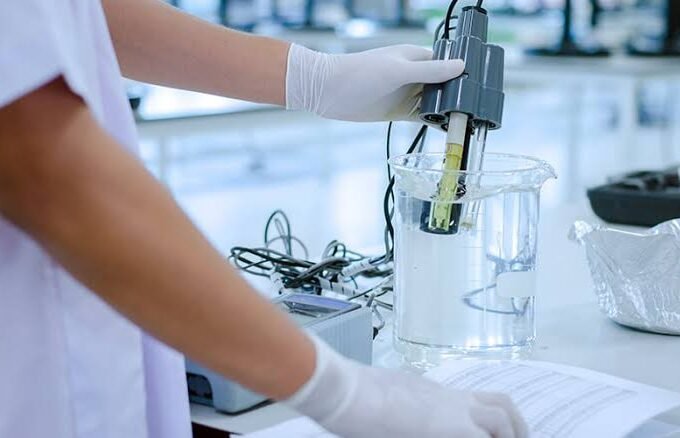
These clues are helpful, but they don’t tell the whole story. Hardness, iron, chlorine, pH, sediment, manganese, and other concerns can overlap. A professional water test helps separate guesswork from fact, which saves time and money later. A useful related perspective is Why Understanding Your Water Quality Matters More Than You Think.
Homes Need Practical, Everyday Solutions
Good residential services should be built around real household routines. A family may need better drinking water, softer laundry, cleaner showers, or protection for water heaters and dishwashers. Someone on well water may need help with iron, odour, bacteria, or sediment. A home on city water may simply need better taste and fewer mineral problems.
The right service should include testing, honest recommendations, proper installation, and clear maintenance guidance. Not every home needs the most expensive system. Sometimes a simple filter is enough. Other times, a whole-home approach makes more sense.
Choosing the Right System
There are many types of water improvement systems, and each one has a different job. Water softeners help reduce hardness minerals. Carbon filters can improve taste and odour. Sediment filters catch particles. Reverse osmosis systems are often used for drinking water. Iron filters help with staining. UV systems may be used in certain well water situations. You may also find Finding the Right Water Treatment System for Your Home or Office helpful.
The best setup depends on the water test results and how the household uses water. A good technician will look at flow rate, plumbing layout, appliance needs, family size, and maintenance access before recommending anything.
Installation Quality Matters
Even a good system can disappoint if it’s poorly installed or wrongly sized. Water pressure, bypass valves, drain lines, filter order, and service space all matter. If the system is too small, it may struggle. If it’s oversized or unnecessary, the homeowner may pay for more than they need.
This is one reason professional installation is worth considering. It’s not just about connecting pipes. It’s about making sure the equipment works with the home, not against it. For a closer look at this topic, read What Your Water Is Really Telling You: Testing, Treatment, and Smarter Choices.
Maintenance Keeps Water Consistent
Water treatment systems need care. Filters must be changed. Softener salt should be checked. Reverse osmosis membranes eventually need replacement. Well systems may require periodic testing or disinfection. Ignoring maintenance can bring back the same old problems — stains, taste issues, pressure drops, or hard water.
A reliable local provider can help set a service schedule that fits the system and the water conditions. That kind of support is easy to overlook until something stops working.
The Comfort of Trusting Your Tap
Better water is not always dramatic, but it is noticeable. You may see fewer spots on dishes, cleaner-looking fixtures, better-tasting coffee, softer laundry, and showers that feel less harsh. More than anything, you stop second-guessing the water you use every day. Related coverage: How to Choose a Reverse Osmosis System That Actually Fits Your Home.
Clean water should not feel complicated. With proper testing, the right equipment, and people who understand local conditions, it becomes much easier to solve the problem at its source. And once your water starts working the way it should, home just feels a little more comfortable.