Hard water is one of those household problems that rarely makes a dramatic entrance. It does not usually flood the kitchen or stop the shower from working overnight. Instead, it leaves hints. A chalky ring around the tap. Spots on glasses that were definitely washed. Soap that refuses to lather properly. Towels that feel a bit rough, even though they are clean.
At first, most people just work around it. They buy stronger cleaning products. They wipe the shower door more often. They run the dishwasher again. They blame the laundry detergent, the old kettle, or maybe the water heater. But after a while, the pattern becomes hard to ignore. The water itself may be the thing causing all these small frustrations.
Why Hard Water Is So Common
Hard water contains minerals, mainly calcium and magnesium, picked up as water moves through rock and soil. In many areas, this is completely normal. The water may be safe to use, but it can still be irritating around the home. For additional context, see Best Movers in Taman Melawati and Ampang: A Complete Guide to Stress-Free Relocation.
The problem is not always what you see in a glass. It is what the water leaves behind over time. Mineral deposits can collect inside pipes, showerheads, kettles, coffee machines, water heaters, and appliances. These deposits may start small, but they have a way of building up quietly. Before long, simple household tasks need more effort than they should.
The Everyday Signs Homeowners Notice
Most people notice hard water problems in practical ways. Dishes come out with cloudy marks. Skin feels dry after bathing. Hair may feel dull or heavy. Laundry can come out stiff. Faucets and showerheads may need constant cleaning because scale keeps returning.
There is also the soap issue. Hard water makes it harder for soap and shampoo to work properly, which means people often use more product without getting better results. It is not exactly a disaster, but it is annoying. And homes are full of enough small annoyances already.
How Softening Helps
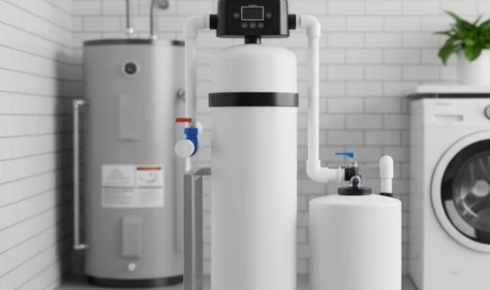
Water softening is designed to reduce the minerals that cause scale and many of those everyday frustrations. A properly installed softener treats water before it moves through the rest of the home, helping limit mineral buildup and improving how water behaves. A useful related perspective is Why Understanding Your Water Quality Matters More Than You Think.
Modern water softener systems can make daily routines feel noticeably easier. Soap lathers better. Shower glass may stay cleaner for longer. Clothes may feel softer. Appliances that depend on water may also operate under better conditions because they are not constantly dealing with mineral deposits.
It Is Not Just About Cleaning
People often think of soft water as a cleaning benefit, and that is true, but it goes further than that. Water touches almost everything in a home. It runs through the washing machine, dishwasher, water heater, bathroom fixtures, kitchen taps, and sometimes even outdoor connections. So when the water changes, the whole house notices.
A family may find they use less soap. Someone may stop buying extra lotion because showers no longer leave skin feeling as tight. The coffee machine may need descaling less often. These things may sound small, but they become part of everyday comfort. And everyday comfort is usually where a good home upgrade proves itself.
Why Testing Should Come First
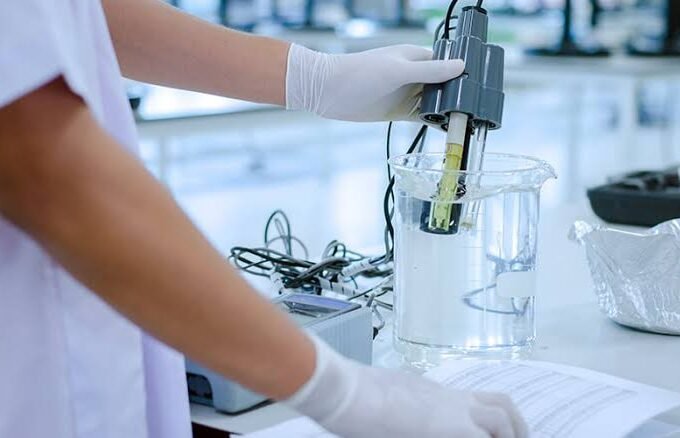
Before choosing any treatment system, it helps to understand the water properly. Hardness levels can vary from one home to another, even within the same region. Some homes may deal mostly with mineral scale, while others may also have chlorine taste, sediment, iron, or other concerns.
A basic water test can make the decision much clearer. It helps identify what needs attention and prevents homeowners from buying equipment based on guesswork. Nobody wants to install a system and then realise it only solved half the problem. You may also find Finding the Right Water Treatment System for Your Home or Office helpful.
Thinking Beyond One Tap
A small filter at the kitchen sink may improve drinking water, but it will not usually solve scale in the shower, dishwasher, or water heater. That is why some homes benefit from whole home water treatment when the issue affects more than one part of the property.
A whole-home approach is especially useful when hard water is causing problems throughout the house. Instead of treating one outlet, the system supports the plumbing and appliances more broadly. It is a more complete answer for families who want better water everywhere, not just at the glass.
Maintenance Keeps It Working
Like any useful home system, a water softener needs basic care. Salt levels may need checking, settings should be correct, and the system should be serviced when needed. It is not difficult, but it should not be ignored.
When maintenance is skipped, performance can gradually drop. The water may start feeling harder again, or scale may slowly return. A simple routine keeps the system doing what it was installed to do. Think of it as a small habit that protects a larger investment. For a closer look at this topic, read What Your Water Is Really Telling You: Testing, Treatment, and Smarter Choices.
Choosing the Right Provider Matters
A good provider should explain the options clearly. They should test the water, discuss the household’s needs, and recommend a system that fits the home instead of pushing the biggest model available. Honest guidance matters because water treatment can feel confusing when every product claims to be the perfect solution.
The right system should match the water, the plumbing, the household size, and the budget. It should also be easy enough to live with. A complicated system that nobody understands will not feel helpful for long.
A Quiet Upgrade with Real Value
Soft water does not always create a dramatic moment. There may be no big reveal, no grand before-and-after scene. But after a few weeks, the difference can become obvious. Cleaning feels easier. Showers feel better. Laundry feels softer. Appliances seem less bothered by scale. The home just runs a little more smoothly.
That is the real value of solving hard water. It reduces friction in daily life. It helps protect the things you already own. And it makes ordinary routines feel more comfortable without demanding much attention. Related coverage: How to Choose a Reverse Osmosis System That Actually Fits Your Home.
Water is part of the background of every home, but when it improves, people notice. Not loudly, maybe, but in all the quiet ways that make a house feel better cared for.