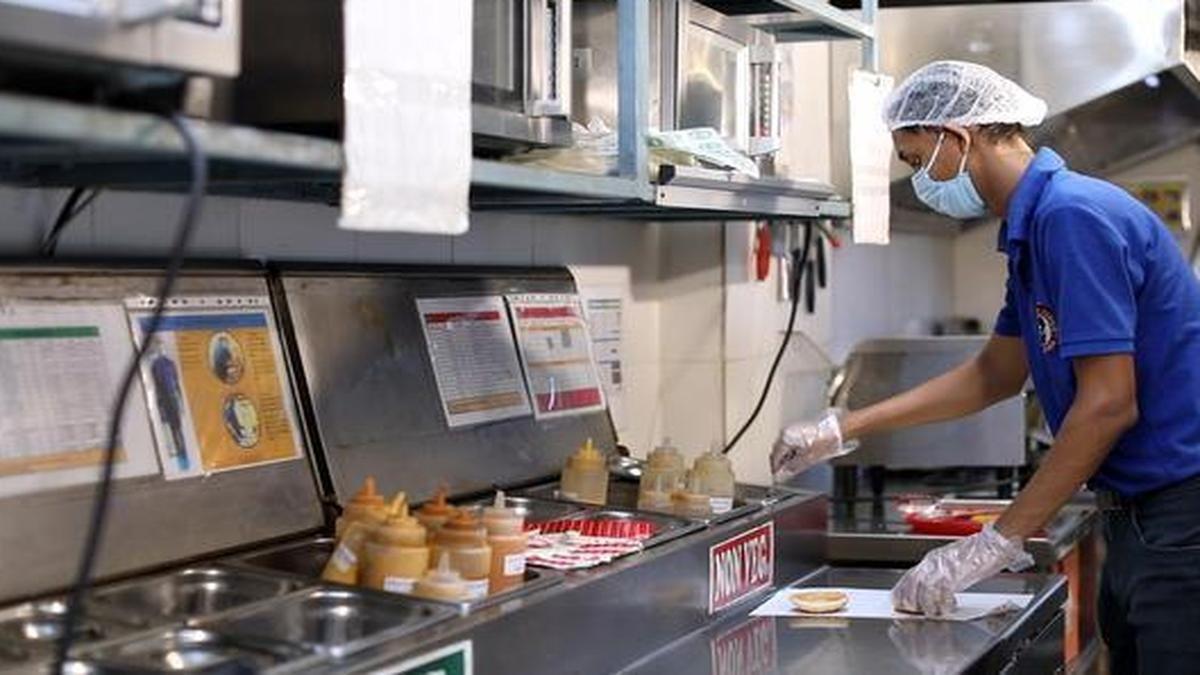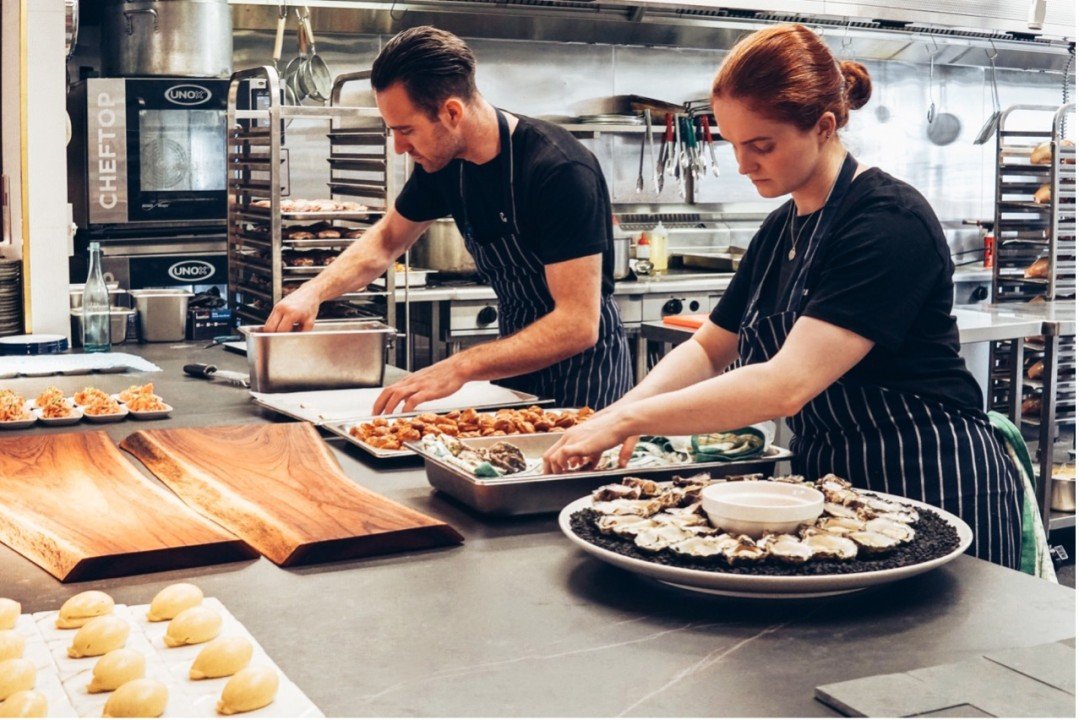
There’s something oddly fascinating about cloud kitchens. No fancy dining space, no waitstaff rushing between tables—just a compact setup, a focused menu, and orders flowing in through apps. On paper, it looks like one of the smartest ways to enter the food business today.
Lower investment, quicker setup, and the promise of decent margins. Sounds almost too clean, right?
But like most things in business, the reality sits somewhere between optimism and spreadsheets. For additional context, see Eating More Protein Without Powders: A Realistic Vegetarian Approach.
What Makes Cloud Kitchens So Attractive
At the surface level, the appeal is obvious. Traditional restaurants come with heavy overheads—rent for prime locations, interiors, staff, utilities. A cloud kitchen strips most of that away.
You don’t need a high-street presence. A small kitchen in a less expensive area can do the job. Fewer staff, limited menu, tighter operations. It feels lean, efficient… modern.
And for many first-time entrepreneurs, that’s a big deal. It lowers the barrier to entry.
The Revenue Side Looks Good—Initially
When orders start coming in, things can feel exciting. Delivery platforms bring visibility, and if your food hits the right note, repeat customers aren’t far behind.
On a good day, the numbers look promising. High order volume, decent pricing, steady flow.
But revenue, as anyone who’s run a business will tell you, is only half the story.
Cloud kitchen business model ka real profit margin breakdown
This is where things get a bit more nuanced. Because while cloud kitchens save on certain costs, they introduce a different kind of expense structure—one that’s easy to underestimate.
Let’s break it down in a practical sense.
- Platform Commissions: Delivery apps often take 20–30% per order. That’s a significant chunk gone before you even calculate other costs.
- Food Costs: Ingredients typically account for 30–40% of the dish price, depending on your menu.
- Packaging: Often overlooked, but it adds up quickly—especially if you’re aiming for good quality and branding.
- Rent and Utilities: Lower than a restaurant, yes—but still a fixed expense.
- Staff Salaries: Even with a small team, wages are consistent outflows.
After all of this, many cloud kitchens operate on margins ranging between 10–20%, sometimes lower in the early stages. A useful related perspective is Your Gut Knows More Than You Think: Eating Right Without Overcomplicating It.
Not bad—but not as effortless as it might seem from the outside.
The Hidden Challenges That Don’t Show Up in Spreadsheets
Beyond numbers, there are operational realities that don’t get talked about enough.
For one, you’re heavily dependent on third-party platforms. If their algorithm changes, your visibility drops. If commission rates increase, your margins shrink overnight.
Then there’s competition. Cloud kitchens are relatively easy to start, which means new players keep entering the market. Standing out becomes harder.
And without a physical presence, building brand loyalty takes more effort. Customers remember taste, sure—but they also remember experience, which is harder to deliver through a delivery bag.
Where Smart Operators Gain an Edge
Not all cloud kitchens struggle. Some do remarkably well—and it’s usually because they’ve figured out a few key things early on.
Menu optimization is one. Focusing on items that are high-margin, easy to prepare, and travel well makes a huge difference.
Then there’s branding. Even without a dine-in space, packaging, consistency, and communication can create a strong identity. You may also find Why You Feel Tired All the Time Even When You Sleep Enough helpful.
And perhaps most importantly—direct orders. Kitchens that gradually shift customers from third-party apps to their own ordering channels often see better margins over time.
It’s Not Just About Cutting Costs
There’s a common misconception that cloud kitchens succeed by being cheap to run. That’s only partially true.
Efficiency matters, yes. But so does value.
Customers are willing to pay for good food, reliable delivery, and a brand they trust. Cutting corners too aggressively—on ingredients or quality—usually backfires.
In the long run, it’s the balance between cost control and customer satisfaction that defines success.
A Reality Check for New Entrepreneurs
If you’re considering starting a cloud kitchen, it’s worth going in with clear expectations.
It’s not a shortcut to easy profits. It’s a business model with its own complexities—different from restaurants, but not necessarily simpler.
There will be slow days. There will be trial and error. And yes, there will be moments when the numbers don’t quite add up the way you hoped.
But there’s also opportunity—real opportunity—for those who approach it thoughtfully. For a closer look at this topic, read Bangalore Moves: Flyover Standoffs, Fickle Skies and a Pressure Cooker With History.
The Bigger Picture
What cloud kitchens represent isn’t just a trend. It’s a shift in how food businesses operate in a digital-first world.
Convenience is driving demand. Technology is shaping access. And entrepreneurs are adapting in real time.
The model will keep evolving—maybe with better margins, maybe with new challenges. But one thing is certain: it’s not going anywhere.
Final Thoughts
At a glance, cloud kitchens look like a clean, efficient solution to an old problem. And in many ways, they are.
But beneath that simplicity lies a business that requires just as much attention, strategy, and resilience as any other.
If you’re willing to understand the numbers, adapt to the challenges, and stay consistent with quality—you can make it work.
Just don’t expect it to be effortless.
Because the real story of cloud kitchens? It’s not about cutting corners. Related coverage: Building a Guest Post Strategy That Strengthens Brand Authority.
It’s about building something that works—quietly, steadily, and with a lot more thought than most people realize.