Take a closer look inside your kettle, around your bathroom faucets, or beneath the kitchen sprayer. Those stubborn, chalky deposits probably didn’t appear overnight. They’ve been gradually accumulating every time water passes through these areas. While removing them might temporarily improve appearances, the underlying problem often remains.
For Lancaster homeowners looking to reduce hard water scale with softening, treating excessive hardness at its source can be a more effective long-term strategy than repeatedly reaching for cleaning products.
Living in Southeastern Pennsylvania means appreciating the charm of local homes, whether they’re historic properties or newly constructed houses. Looking after their plumbing and water quality is an important part of preserving that comfort. Fortunately, managing mineral buildup doesn’t need to become an overwhelming household project. For additional context, see Taking Better Care of Your Private Well: A Practical Water Treatment Guide for Western Colorado.
Why Limescale Keeps Appearing Around Your Home
Hard water contains dissolved calcium and magnesium, minerals that naturally enter the water as it moves through soil and rock formations.
When water evaporates, these minerals can remain behind, producing the familiar white residue found around faucets and shower doors. Heating water can also encourage scale formation inside kettles and water heaters.
What’s particularly frustrating is how quickly these deposits can return after cleaning.
You might spend an entire afternoon restoring the appearance of your bathroom fixtures, only to discover new marks later in the week.
Although suitable descaling products can remove existing deposits, reducing excessive hardness offers a more preventive approach.
Finding a Practical Approach to Long-Term Water Softening
Not every household experiences hardness in exactly the same way. Water consumption, mineral concentrations, and existing plumbing conditions can influence the extent of the problem.
Appropriate water softening solutions should reflect these differences rather than relying on a one-size-fits-all approach.
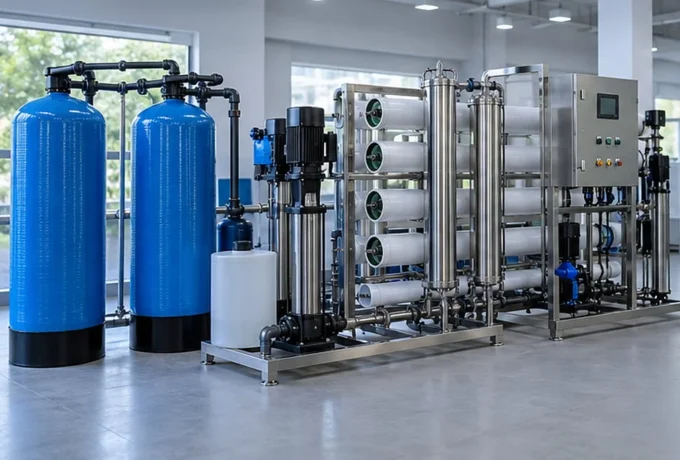
Conventional softeners use ion-exchange technology to reduce dissolved calcium and magnesium. Specialized resin beads exchange hardness ions for sodium or, in compatible equipment, potassium ions.
The resin periodically regenerates to restore its treatment capacity.
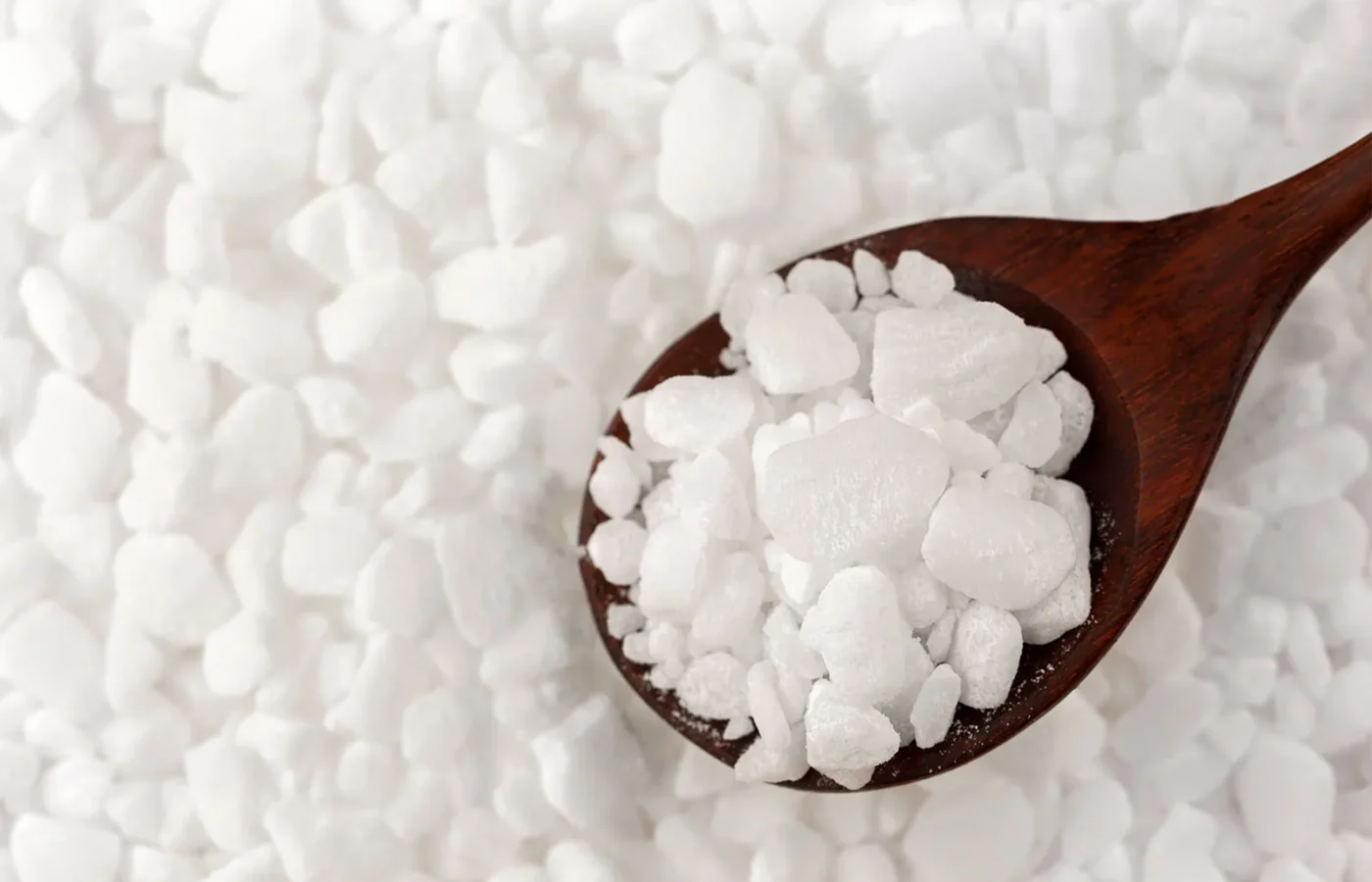
Once properly configured, most residential systems handle regeneration automatically. Homeowners primarily need to replenish regenerating salt and follow recommended maintenance procedures. A useful related perspective is Plumbing Problems Made Easier: Reliable Help Without the Hassle.
It’s a relatively straightforward arrangement that addresses hardness before water reaches connected household fixtures and appliances.
Choosing Equipment That Fits Your Household
A small Lancaster apartment and a spacious family home will naturally have different water requirements.
When comparing water softeners for homes, consider measured hardness levels, household consumption, simultaneous water demand, and available installation space.
Demand-initiated systems monitor water usage and regenerate according to programmed settings and remaining treatment capacity. This can help avoid unnecessary regeneration and associated operating expenses.
Don’t forget about maintenance accessibility. Having sufficient room to replenish salt and inspect equipment makes routine servicing considerably easier.
Ask about documented efficiency, warranty coverage, and replacement component expenses before purchasing.
The right equipment should meet your household’s requirements without leaving you paying for unnecessary treatment capacity or complicated features you’ll rarely use.
Protecting the Appliances That Make Life Easier
There’s never a particularly convenient time for a water heater to stop working. The same goes for washing machines and dishwashers, especially when you’ve got a busy household to manage.
Excessive hardness can contribute to scale formation inside water-heating equipment. Over time, these deposits may interfere with heat transfer and increase maintenance requirements. You may also find Best Movers in Taman Melawati and Ampang: A Complete Guide to Stress-Free Relocation helpful.
Suitable softening helps limit new mineral scale accumulation, although it cannot automatically reverse existing appliance damage.
If you’re planning to replace an aging water heater or upgrade your kitchen, checking incoming water hardness beforehand is worth considering.
Looking after the water entering your appliances can complement regular maintenance and help you care for equipment you’ve already invested in.
Discovering the Difference in Everyday Household Chores
Have you ever wondered why your bathroom soap doesn’t produce much lather? Or why freshly washed towels sometimes feel unusually rough?
Hardness minerals can interfere with the performance of certain soaps and detergents.
Reducing excessive hardness may improve cleaning product performance, although homeowners should adjust detergent quantities according to recommendations for softened water.
Fewer new mineral deposits may also make bathroom cleaning less demanding.
These benefits might not seem especially dramatic, but consider how often you wash clothes, clean the kitchen, or take a shower.
Small improvements experienced repeatedly throughout the year can add up to a more comfortable household routine.
Getting Water Testing and Installation Right
Before committing to treatment equipment, arrange reliable hardness testing. Properties throughout Lancaster and Southeastern Pennsylvania may receive water from different sources, resulting in varying mineral concentrations. For a closer look at this topic, read Why Understanding Your Water Quality Matters More Than You Think.
A qualified professional can help assess treatment capacity, incoming water pressure, drainage requirements, and installation arrangements.
Discuss salt consumption and servicing schedules so you understand the long-term responsibilities involved.
Remember that conventional softening doesn’t provide comprehensive drinking water purification. If testing identifies additional contaminants, separate filtration or specialized treatment may be necessary.
Private well owners should also maintain an appropriate laboratory testing schedule.
Making informed decisions at the beginning helps prevent unexpected expenses and disappointing equipment performance later.
Enjoying a Home With Fewer Mineral-Related Frustrations
Managing hard water isn’t necessarily about achieving spotless faucets or perfectly polished bathroom fixtures. It’s about making your household easier to maintain and more enjoyable to live in.
For families throughout Lancaster and Southeastern Pennsylvania, reliable testing, thoughtfully selected equipment, and consistent maintenance can provide a practical foundation for reducing excessive hardness.
Perhaps you’ll find yourself spending less time descaling the kettle or dealing with stubborn bathroom deposits.
Those extra moments might be better spent enjoying breakfast with your family, relaxing outdoors, or simply taking a well-deserved break. Related coverage: Finding the Right Water Treatment System for Your Home or Office.
Homeownership comes with enough responsibilities already. Sometimes, the most rewarding improvements are the ones that quietly make everyday life a little easier. Softer water can be one of them.