
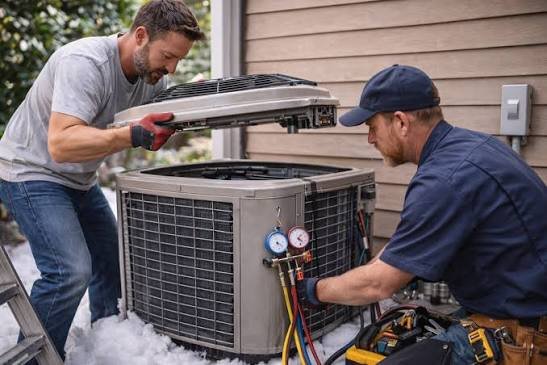
Comfort at home is something we often notice only when it disappears. A warm afternoon, an air conditioner that keeps running without cooling properly, or uneven temperatures between rooms can quickly turn an otherwise relaxing day into an uncomfortable one. Having a dependable heating and cooling system makes a real difference, especially when outdoor temperatures become difficult to manage.
A home’s HVAC system does more than regulate temperature. It helps maintain indoor airflow, manage humidity, and create a comfortable environment for daily living. Choosing the right equipment and taking care of it over time can save homeowners unnecessary frustration and expenses.
Understanding How Your HVAC System Works
Most residential heating and cooling systems include several connected components that work together. The thermostat monitors indoor temperature, the air handler circulates air, and the outdoor unit helps remove heat from the home during cooling operation. Ductwork carries conditioned air throughout different rooms, while filters capture dust and airborne particles. For additional context, see Keeping Limescale Under Control: How Softer Water Can Improve Your Lancaster Home.
A central hvac system is a popular choice for homes that need consistent temperature control across multiple rooms. Rather than relying on individual window units, central cooling distributes conditioned air through a network of ducts. When properly designed, this arrangement can make the entire home feel more balanced and comfortable.
Of course, the system’s performance depends on more than the equipment itself. Insulation, duct condition, thermostat placement, and airflow all contribute to how efficiently the home stays cool. Sometimes the problem isn’t the air conditioner at all, but something else affecting its operation.
Why Installation Should Never Be Rushed
Installing HVAC equipment is a process that requires careful planning. Choosing the wrong capacity, overlooking electrical requirements, or failing to inspect existing ductwork can lead to problems that homeowners may not notice until the system has been running for several weeks.
A proper installation begins with an assessment of the property. Technicians consider the home’s square footage, ceiling height, insulation, windows, sun exposure, and overall layout before recommending equipment. This helps ensure that the system can handle the home’s cooling demands without excessive cycling or constant operation. A useful related perspective is Taking Better Care of Your Private Well: A Practical Water Treatment Guide for Western Colorado.
A new air conditioner setup and service should also include checking connections, airflow, refrigerant requirements, drainage, and thermostat functionality. Once the installation is complete, the system should be tested carefully. It’s a good idea for homeowners to understand the basic controls and maintenance requirements before the technician leaves.
Recognizing When Your Existing System Needs Replacement
Air conditioners usually provide warning signs before they completely stop working. Frequent breakdowns, rising electricity bills, strange noises, weak airflow, and rooms that never seem to reach the desired temperature can all indicate an aging or inefficient system.
Repairing an older unit may still be worthwhile in some situations. A minor electrical issue or clogged drain line doesn’t necessarily justify replacing the entire system. However, if repair costs continue increasing and the equipment struggles to maintain comfort, replacement may be the more sensible long-term decision. You may also find How Attorneys Can Build a Bank Records Timeline for Litigation helpful.
Homeowners considering AC system replacement services should compare more than just the upfront price. Energy efficiency, warranty coverage, expected maintenance, system compatibility, and installation quality are equally important. A lower-priced unit may not always be the best value if it consumes more electricity or requires frequent repairs.
Everyday Habits That Improve HVAC Performance
Even a well-installed system needs regular attention. Fortunately, maintaining an HVAC unit doesn’t always require complicated tasks. A few simple habits can help it operate more smoothly throughout the year.
- Replace or clean air filters according to the manufacturer’s recommendations.
- Keep outdoor equipment free from leaves, grass, and other debris.
- Avoid blocking indoor vents with furniture, rugs, or curtains.
- Check thermostat settings and use reasonable temperature adjustments.
- Schedule periodic professional inspections to identify developing problems.
Dirty filters are particularly easy to overlook. When airflow becomes restricted, the system has to work harder to move air, which may affect comfort and energy consumption. Replacing a filter takes only a few minutes, yet it can prevent an avoidable problem.
Energy Efficiency and Indoor Comfort
A more efficient HVAC system can help reduce electricity usage, but efficiency isn’t determined by equipment alone. Air leaks, poor insulation, neglected maintenance, and improperly balanced ductwork can all reduce performance. For a closer look at this topic, read One Year Later: How Google’s Search Documentation Leak is Shaping SEO in 2025.
Homeowners can improve comfort by sealing gaps around doors and windows, using curtains during periods of strong sunlight, and making sure rooms receive adequate airflow. If certain areas remain noticeably warmer than others, an HVAC professional may be able to identify duct issues or recommend airflow adjustments.
Smart thermostats can also be useful, particularly for households with predictable routines. Adjusting temperatures when nobody is home can help avoid unnecessary cooling without sacrificing comfort when everyone returns.
Making a Long-Term Investment in Comfort
A reliable HVAC system should quietly do its job in the background. It shouldn’t require constant attention or leave homeowners wondering whether it will work when the weather changes. Investing in suitable equipment, choosing skilled installation, and keeping up with basic maintenance can make the experience far more dependable. Related coverage: The Waterfalls Around Sapa.
Comfort isn’t about chasing the lowest thermostat setting. It’s about creating a home where the temperature feels pleasant, the air circulates properly, and everyday life can carry on without interruption. With sensible planning and consistent care, a heating and cooling system can provide that comfort for many years.