A private well can be one of the most appreciated features of a rural home. There’s no monthly municipal water bill, and having an independent supply feels reassuring. But that freedom comes with a little extra responsibility. One morning, the water might leave orange marks in the sink. Another day, you notice a strange smell while running the shower.
For homeowners in Western Colorado, the answer may involve water softening when excessive calcium and magnesium are contributing to stubborn mineral deposits and household maintenance problems.
Of course, not every water issue comes down to hardness. Groundwater can contain a variety of substances, and the right solution depends on what’s actually present. Understanding your well is the first step toward making sensible decisions. For additional context, see Keeping Limescale Under Control: How Softer Water Can Improve Your Lancaster Home.
What Happens to Water Before It Reaches Your Faucet?
Groundwater doesn’t arrive at your home in the same condition everywhere. As it moves through layers of soil and rock, it picks up naturally occurring minerals. Depending on local conditions, it may also encounter other substances.
Some wells produce water with elevated iron concentrations, while others have significant hardness or suspended particles.
Water quality can even differ between neighboring properties.
That’s why copying a neighbor’s treatment arrangement isn’t always a good idea. Their system may address a completely different problem.
A laboratory assessment provides a much clearer picture of your water supply. Private well owners should generally test annually for bacteria and nitrate, with additional testing guided by local conditions and any noticeable changes.
When Filtration Becomes an Important Part of Well Maintenance
Finding grit at the bottom of a glass or sediment around a faucet aerator isn’t exactly reassuring. Suspended particles can also collect inside appliance inlet screens and plumbing components.
Appropriate filtration helps reduce these materials before they reach the parts of your home where they cause inconvenience.
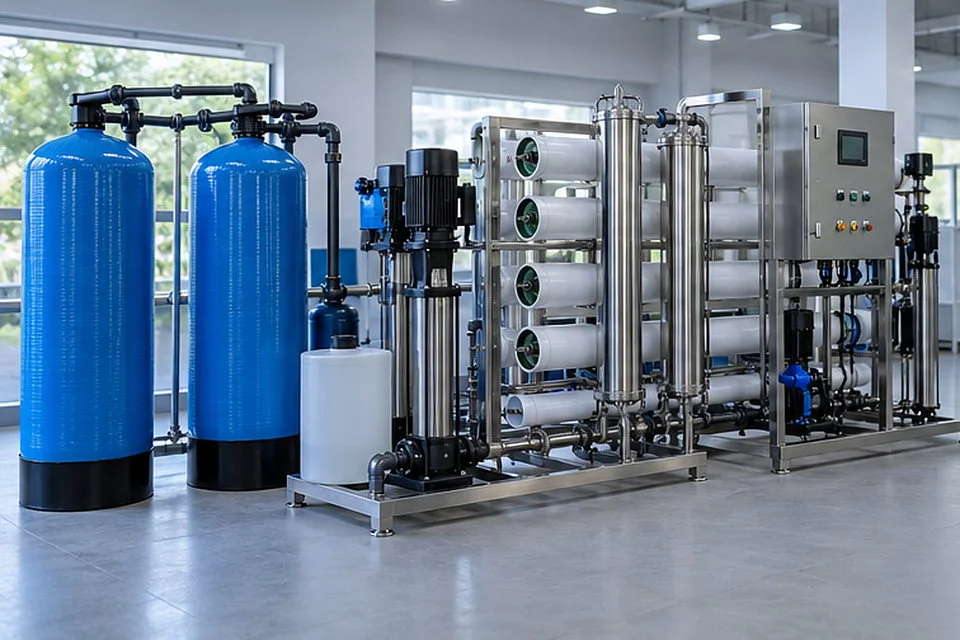
Sediment filters are commonly used to capture sand, silt, and certain rust particles. Specialized treatment equipment may be necessary when dissolved iron, manganese, or other substances are present.
An important distinction: a filter that removes visible particles doesn’t automatically make water microbiologically safe.
The equipment must match the specific concerns identified through testing. A useful related perspective is Plumbing Problems Made Easier: Reliable Help Without the Hassle.
If sediment suddenly becomes much heavier, it may also be worth inspecting the well itself. A damaged screen or another mechanical issue isn’t something a cartridge filter can permanently fix.
Knowing When to Call a Water Treatment Professional
Some water problems are relatively straightforward to understand. Others aren’t.
For example, a rotten-egg odor might be associated with hydrogen sulfide, certain bacteria, or conditions inside a water heater. Identifying the source matters because treatment approaches differ.
Qualified providers offering well water treatment services can help homeowners interpret laboratory findings and determine whether equipment, plumbing repairs, or well maintenance should come first.
A useful consultation should consider water chemistry, pressure, household consumption, and the condition of any existing treatment equipment.
Don’t hesitate to ask why a particular system is being recommended or what its limitations are.
A professional should be able to explain the reasoning in plain language. You shouldn’t need an engineering degree to understand how your home’s water is being treated.
Why Hardness Can Be Tough on Everyday Household Routines
Hard water can be remarkably persistent. You clean the shower door, wipe down the faucets, and wash the dishes, only to see familiar white deposits returning.
Calcium and magnesium remain behind as water evaporates. When heated, these minerals can also contribute to scale formation inside water-heating equipment.
A conventional ion-exchange softener reduces these hardness minerals, helping limit new deposits. You may also find Best Movers in Taman Melawati and Ampang: A Complete Guide to Stress-Free Relocation helpful.
Some homeowners notice improved soap lathering and easier bathroom cleaning after treatment.
Still, a softener won’t remove every contaminant from groundwater. If bacteria, dissolved chemicals, or other substances are present, separate treatment may be necessary.
It’s worth understanding these boundaries before deciding what equipment your home needs.
Keeping Water Treatment Equipment Ready for Colorado Weather
Western Colorado’s changing seasons deserve attention when you’re planning a treatment installation.
A system placed inside an unheated garage, shed, or utility space may need protection from freezing temperatures. Exposed pipes and drain lines deserve consideration, too.
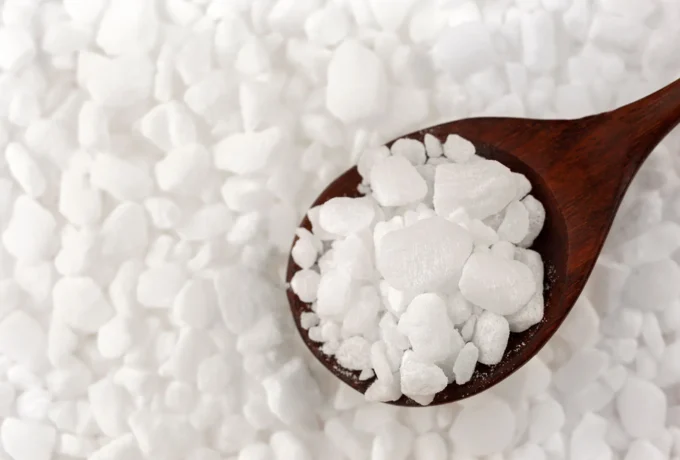
The installation should also provide convenient access for replacing cartridges, adding regenerating salt, and carrying out routine servicing.
Think about where the equipment will sit before purchasing it.
Nobody wants to discover that maintaining a filter requires moving half the contents of a storage room every few months.
Planning ahead makes ordinary maintenance much less of a chore, especially during colder weather. For a closer look at this topic, read Why Understanding Your Water Quality Matters More Than You Think.
Making Regular Testing Part of Your Household Routine
One of the trickiest things about groundwater is that changes aren’t always obvious.
Water can look perfectly clear while containing substances that deserve investigation. That’s why taste and appearance shouldn’t be your only indicators of quality.
Keep copies of laboratory reports and note when filters or treatment media are serviced.
If your well has been flooded, repaired, or affected by nearby activities that could influence groundwater, additional testing may be appropriate.
Equipment also needs ongoing attention. Follow manufacturer recommendations and arrange servicing if treatment performance changes unexpectedly.
A simple maintenance calendar can help you stay organized without turning well ownership into an exhausting responsibility.
A More Dependable Water Supply Begins With Understanding Your Well
Owning a private well in Western Colorado can be rewarding. It simply requires thoughtful attention to the resource your household depends on.
Start with reliable testing, address the specific problems affecting your supply, and choose treatment equipment with realistic maintenance requirements.
Perhaps you’ll spend less time cleaning mineral deposits or notice fewer suspended particles around household fixtures.
Those improvements might seem modest, but they make everyday life more comfortable. Related coverage: Finding the Right Water Treatment System for Your Home or Office.
Between mountain adventures, family gatherings, and quiet evenings at home, there’s plenty to enjoy in Western Colorado. Looking after your well properly helps keep water worries from taking up more time than they deserve.